••
African Nations Confront Rising Toll of Citizens Lured into Russia-Ukraine Conflict
•2 min read•2 sources
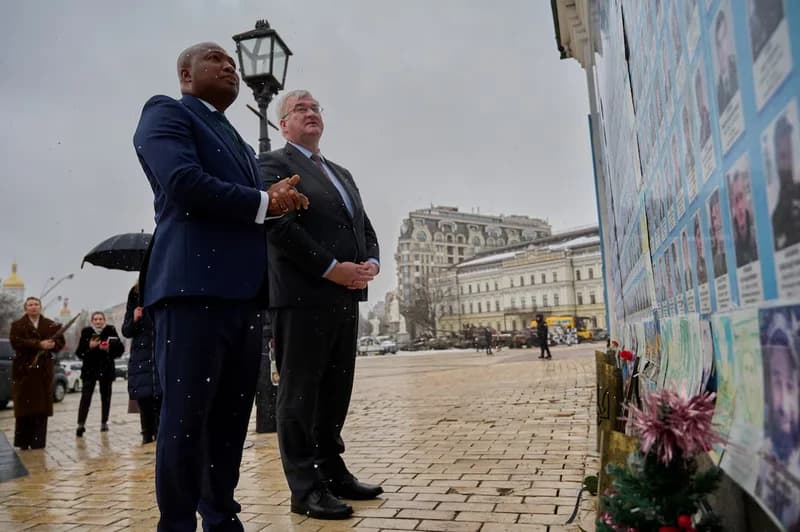
Ukrainian officials have revealed that more than 1,700 Africans from 36 different countries are currently fighting for Russian forces in the ongoing conflict in Ukraine. Ukrainian Foreign Minister Andrii Sybiha highlighted this alarming trend, noting that many of these individuals were recruited under false pretenses and misled into combat roles. This revelation has prompted various African governments, including those of Ghana and South Africa, to intensify diplomatic efforts to safeguard their citizens and investigate the networks responsible for their recruitment.
The recruitment process often involves sophisticated trafficking syndicates operating through the dark web, where individuals are lured with promises of high-paying jobs only to find themselves deployed to the front lines without any military training. Samuel Okudzeto Ablakwa, Ghana's Foreign Minister, expressed deep concern over these deceptive practices and urged for increased public awareness to combat the networks exploiting vulnerable citizens. Ablakwa further expressed solidarity with Ukraine and confirmed that the Ghanaian government plans to advocate for the release and repatriation of its nationals captured while fighting for Russia.
In a specific case reflecting this broader trend, the South African government recently announced the imminent return of 11 men who were among a group of 17 lured to fight for Russia. President Cyril Ramaphosa addressed the situation directly with Russian President Vladimir Putin, emphasizing the gravity of the matter. While four of the men have already returned and 11 more are expected soon, two remain in Russia, including one who is currently hospitalized. The situation is legally complex for South Africa, as the country maintains a non-aligned stance but strictly prohibits its citizens from engaging in foreign military activities without state authorization.
The involvement of African nationals in the war has introduced significant diplomatic tensions and raised humanitarian concerns across the continent. These incidents highlight the reach of global trafficking networks and the risks faced by individuals seeking economic opportunities abroad. As African nations continue to negotiate the return of their people, the focus is shifting toward dismantling the digital recruitment pipelines and strengthening international cooperation to prevent the further exploitation of African citizens in foreign conflicts.
This story touches markets covered on Anansi Intelligence ↗.
More from africa
Continue exploring similar stories


