••
From Hollywood to the Homeland: The Resurgence of African-American Reconnection Through Citizenship
•3 min read•4 sources
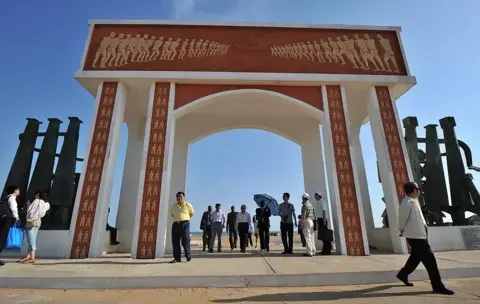
A powerful movement of cultural reconnection is unfolding across the African continent as a growing number of African-American celebrities seek and obtain citizenship in their ancestral homelands. High-profile figures including music legends Stevie Wonder and Ludacris, singer Ciara, and actors like Meagan Good have recently secured nationalities in countries such as Ghana, Benin, Guinea, and Gabon. This resurgence of Pan-African identity is fueled by a combination of DNA testing, which allows individuals to trace their specific heritage, and aggressive outreach by African governments looking to strengthen ties with the global diaspora. These ceremonies, often captured in vibrant detail for social media, symbolize a profound shift in how the descendants of enslaved Africans view their relationship with the continent.
African nations are increasingly viewing these high-profile naturalizations as a strategic tool for economic growth and tourism. Initiatives like Ghana's 'Year of Return' have set a blueprint for leveraging the influence of the diaspora to attract investment and global attention. Benin is taking these efforts a step further with plans to establish a dedicated agency specifically designed to streamline the nationalization process for Afro-descendants. These strategies are intended to transform sentimental connections into long-term engagement, positioning the continent as a welcoming home for both cultural heritage and professional opportunities.
However, the trend has not been without its share of controversy and internal debate. Critics have pointed to the 'expedited' nature of the citizenship process for celebrities, contrasting it with the bureaucratic hurdles faced by local citizens and less-famous members of the diaspora. There are concerns that the focus on celebrity allure might overshadow the systemic challenges and authentic needs of the broader African community. In response to these complexities, some nations are reassessing their approaches; Ghana, for instance, recently paused its citizenship application process to evaluate and refine the criteria, ensuring that the path to nationality is both sustainable and equitable.
As the dialogue around identity and belonging continues to evolve, the long-term implications of this celebrity-led reconnection remain to be seen. While the immediate impact is felt through increased tourism and positive media representation, the ultimate success of these initiatives will depend on creating inclusive processes that move beyond high-profile PR events. The ongoing trend reflects a deep-seated desire among the diaspora to rekindle transatlantic ties, signaling a new era of global African solidarity that seeks to bridge the gap between the historical homeland and the descendants of those who were forcibly taken from its shores.
This story touches markets covered on Anansi Intelligence ↗.
More from africa
Continue exploring similar stories


