••
Empowering Africa's Future: Leaders Call for Urgent Action on Youth Employment, Digital Innovation, and Collaborative Education
•3 min read•11 sources
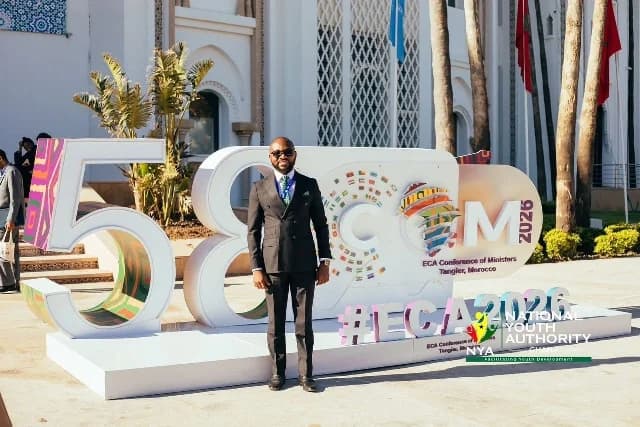
Africa is at a critical demographic crossroads, with approximately 60% of its population under the age of 25. This "youth bulge," as described by Osman Ayariga, CEO of Ghana’s National Youth Authority (NYA), represents a defining moment for the continent. Speaking at the Continental Youth Symposium in Tangier, Morocco, Ayariga and other regional leaders emphasized that this demographic advantage can only be realized through deliberate policy actions and a fundamental shift in how education and job creation are approached. Without aligning skills development with the rapid pace of technological advancement, experts warn that Africa risks deepening socio-economic inequalities and missing out on transformative growth.
A central challenge identified by stakeholders is the distinction between unemployment and "unemployability." Ayariga argued that many young Africans possess formal qualifications but lack the practical market-ready skills required by modern industry. To bridge this gap, he advocated for a model where the private sector acts as a co-owner of the training process rather than just a consultant. Initiatives involving the Ghana Employers’ Association and the Association of Ghana Industries are already seeking to align competency-based curricula with sectors like fintech and IT through work-based learning and national apprenticeship programs. This collaborative approach aims to tackle the capacity and leadership gaps that currently hinder the continent's youth.
Parallel to employment reforms, there is a growing push for technology-driven education and digital inclusion. Ghana’s Minister of Education, Haruna Iddrisu, has emphasized the need to prioritize AI and digital tools in the classroom to ensure systems remain relevant to societal changes. This digital transition extends beyond education into public advocacy; experts like Senanu Damilola Wemakor are urging a shift in climate communication from conference rooms to smartphones to better engage the public through initiatives like "Story the Change." Furthermore, the upcoming 13th Digital Rights & Inclusion Forum in Abidjan will address the protection of press freedom and the fight against disinformation, highlighting the necessity of a resilient and inclusive digital future for all Africans.
The global recognition of African innovation and culture further underscores the continent's potential. The Tidal Rave Festival's nomination for the international Shorty Awards serves as a testament to the growing influence of African youth culture on the world stage. Similarly, partnerships with institutions like Imperial College London are fostering "convergence science" and stronger Africa-UK innovation links to address global challenges. Ultimately, the synthesis of policy reform, industry collaboration, and digital empowerment remains the key to ensuring that Africa’s youthful population becomes its greatest asset rather than a socio-economic liability.
This story touches markets covered on Anansi Intelligence ↗.
More from africa
Continue exploring similar stories


