••
Sustainability and Safety Initiatives Take Center Stage Across West and South Africa
•3 min read•18 sources
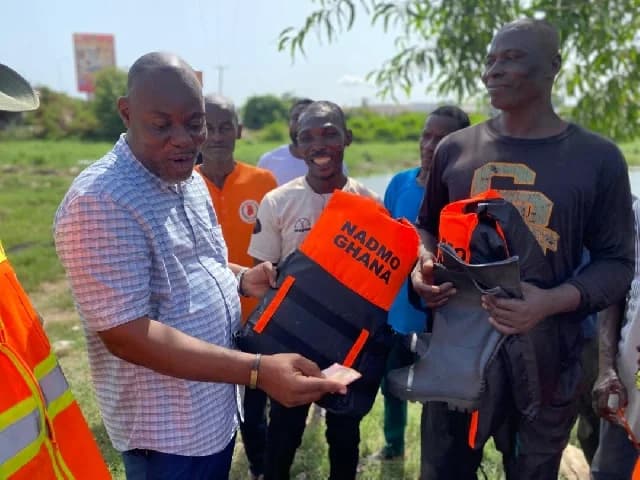
Across the African continent, a diverse array of initiatives focused on environmental conservation, sustainable economic development, and infrastructure management are taking shape. From the launch of the National Monitoring Support Initiative (NMSI) in Ghana, aimed at enhancing biodiversity tracking from 2025 to 2030, to the collaborative efforts between Ghana and Togo to curb cross-border wildfires along the Akwapim-Togo ranges, the region is prioritizing ecological preservation. The Accelerated Rural Development Organisation (ARDO) is leading the charge against wildfires by establishing Fire Volunteer Squads and engaging traditional authorities to address human-caused environmental threats. These efforts are complemented by local actions, such as the Weija-Gbawe Municipal Assembly's decongestion of the Densu River to mitigate flooding risks and protect community livelihoods.
In the economic sector, the Upper West Region of Ghana has officially launched the World Shea Expo 2026, highlighting the vital role of the shea value chain in local economies. Government strategies are shifting toward restricting raw shea nut exports to retain value within the country, supported by the donation of safety gear to women shea-pickers. However, the human cost of this industry was underscored by a tragic road accident in Kinkinlin, East Gonja, where a tipper truck killed four people, including women and a child who were en route to harvest shea nuts. This tragedy highlights the urgent need for improved safety and infrastructure in rural agricultural zones even as the industry seeks global prominence.
Community-led innovation is also providing a blueprint for waste management, as seen in Asaloko, Ghana. Residents there have transformed plastic waste into a local currency, exchanging discarded water sachets for fresh drinking water. This initiative, supported by WaterAid’s WASH program, recovers five tonnes of plastic annually and demonstrates the potential for grass-roots solutions to systemic pollution. Similar themes of sustainability are echoed in South Africa, where the town of Clarens is being showcased as a model for nature-based tourism during the lead-up to Africa’s Travel Indaba 2026. By prioritizing environmental preservation over large-scale urban development, Clarens offers a sustainable development model that benefits local economies through adventure and conservation tourism.
Despite these advancements, urban infrastructure remains a significant hurdle for regional growth. In Accra, commercial drivers and commuters at the Madina Zongo Junction have voiced deep frustration over a persistent transport crisis. They emphasize that while vehicles are plentiful, severe traffic congestion near the Accra Mall and Dworwulu areas causes hours of delays and leaves passengers stranded. Stakeholders are calling for the development of alternative road networks to alleviate the pressure on major arteries. As West African nations continue to pursue ambitious environmental and economic goals, the balance between grassroots innovation, industrial expansion, and urban logistical planning will remain critical for sustainable progress.
This story touches markets covered on Anansi Intelligence ↗.
More from africa
Continue exploring similar stories


