••
Voices of Change: Africa Navigates Social Justice, Economic Mindsets, and Cultural Reclamation
•2 min read•13 sources
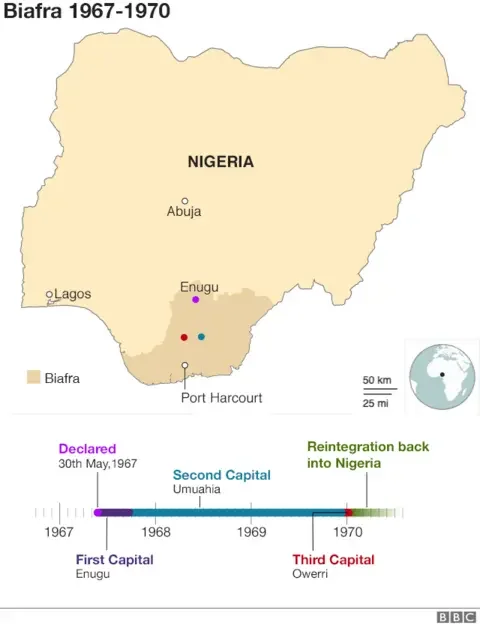
Across the African continent, a profound shift is occurring as nations grapple with historical traumas, social injustices, and the need for a reimagined economic future. In Kenya, hundreds of protesters recently took to the streets of Nairobi to demand an end to a rising femicide scourge, following the deaths of at least 69 women and the disappearance of over 10,500 children in a single year. Activists are calling for urgent legal reforms and government accountability, criticizing the lack of progress from official taskforces. This demand for justice mirrors a broader continental effort to confront painful histories, as seen in Nigeria through Meji Alabi’s documentary, 'Surviving Biafra.' The film, produced by BBC Africa Eye, uses firsthand survivor testimonies to address the often-ignored narratives of the 1967-1970 civil war, seeking to foster national reconciliation and ensure that the voices of those who suffered are preserved before they fade from memory. Alongside these social movements, African leaders and thinkers are advocating for strategic shifts in how the continent approaches growth and survival. During a recent workshop in Accra, climate negotiators emphasized the necessity of placing health at the center of global climate action, noting that extreme weather is severely straining African health systems. This forward-looking strategy is echoed by economic experts like Ing. Professor Douglas Boateng, who argues that Africa’s persistent unemployment challenge stems from a cultural emphasis on 'payslips' over 'payrolls.' With 10-12 million young Africans entering the labor market annually, Boateng calls for a radical educational and societal shift that celebrates wealth creation and entrepreneurship rather than traditional job-seeking, asserting that sustainable prosperity requires a transition from consumption to production. The continent's soft power is also gaining international momentum through arts and culinary diplomacy. The Pavillon Afronova at the Cannes Film Festival has become a vital platform for amplifying African stories, ensuring filmmakers have the resources to share authentic narratives globally. Similarly, in the culinary world, popular creator Chef Abbys is advocating for the international recognition of Ghanaian cuisine, even appealing to national leadership to champion food culture as a pillar of cultural significance. These cultural strides provide a counter-narrative to infrastructure challenges, such as the scheduled power maintenance outages recently announced by the Electricity Company of Ghana (ECG) across five regions, including Ashanti and Accra. Together, these developments illustrate a continent in transition, balancing the resolution of past and present grievances with a determined push toward self-reliance and global visibility.
This story touches markets covered on Anansi Intelligence ↗.
More from africa
Continue exploring similar stories


