••
Security Crises and Social Tensions Rise Across Africa: Developments in Nigeria, Mali, Chad, and South Africa
•3 min read•5 sources
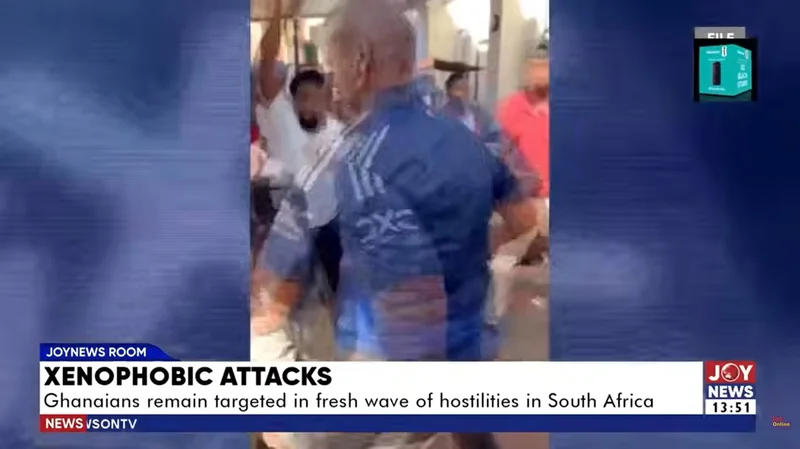
Africa is currently grappling with a wave of security breaches and social unrest, ranging from mass abductions in Nigeria and deadly ethnic clashes in Chad to shifting military alliances in Mali and xenophobic concerns in South Africa. These incidents underscore the fragile security architecture across the Sahel and the persistent social tensions within major economic hubs, drawing urgent calls for stability from regional bodies like ECOWAS and the United Nations. As governments struggle to maintain control over remote territories and volatile urban centers, the humanitarian toll on vulnerable populations continues to mount.
In Nigeria, gunmen targeted a remote orphanage and school in Zariagi, Kogi State, abducting 23 individuals, including pupils and the wife of the school’s proprietor. While authorities have successfully rescued 15 children, eight remain missing as security forces continue operations. The Kogi State government has used the incident to warn against the operation of unregistered facilities, which are often more vulnerable to such kidnappings. Simultaneously, in eastern Chad, a dispute over a water well in Wadi Fira province escalated into a brutal communal conflict. At least 42 people were killed and several villages destroyed as rival ethnic groups engaged in reprisal attacks, a situation exacerbated by resource scarcity and an influx of refugees from neighboring Sudan.
Further west, the Malian military junta has suffered a significant strategic setback in the northern stronghold of Kidal. Malian government troops and Russian Africa Corps mercenaries were forced to withdraw following intense combat with the Azawad Liberation Front (FLA). This withdrawal coincides with reports of unprecedented cooperation between the FLA and the al-Qaeda-linked group JNIM. The security crisis is compounded by the reported death of Mali’s Defence Minister, Sadio Camara, in a car bomb attack. International observers worry that this power shift signals a deepening instability in the Sahel that could spill over into neighboring countries.
Meanwhile, in South Africa, authorities and residents are working to manage reports of xenophobic tensions. Nigeria’s Acting Ambassador, Temitope Ajayi, recently reassured citizens that they are not under siege, describing recent protests as isolated incidents rather than a widespread campaign of violence. This sentiment was echoed by Ghanaian entrepreneurs in Johannesburg, who argue that hostility is often driven by small vigilante groups and political manipulation ahead of elections, rather than the general populace. Despite these reassurances, both the Nigerian and Ghanaian communities remain cautious as governments collaborate to ensure the safety of foreign nationals.
These collective events highlight a continent at a crossroads, where traditional security threats like insurgency and kidnapping meet emerging social frictions and resource-driven violence. The humanitarian crises resulting from these events—ranging from the displacement of children to the destruction of entire villages—continue to challenge the capacity of national governments to maintain order. Moving forward, the effectiveness of regional interventions and the ability of local authorities to address the root causes of these conflicts, such as illegal infrastructure and resource mismanagement, will be critical to long-term stability across Africa.
This story touches markets covered on Anansi Intelligence ↗.
More from africa
Continue exploring similar stories


