••
Africa Navigates Security Crises and Diplomatic Milestones While Strengthening Cultural and Economic Ties
•3 min read•15 sources
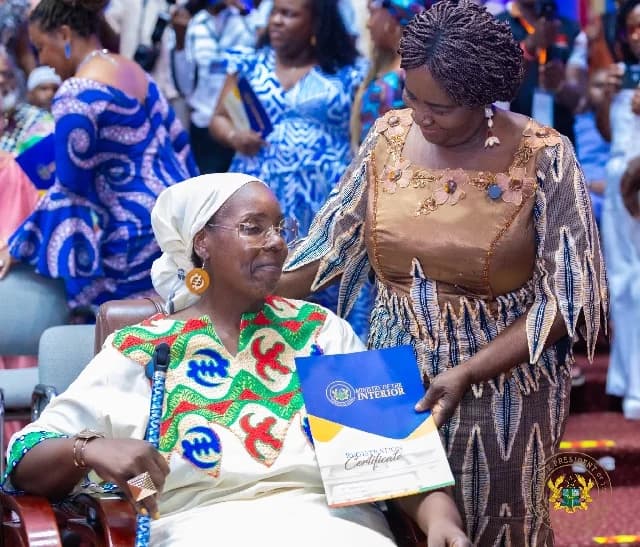
Africa is currently navigating a complex landscape of security challenges and institutional growth, marked by rising tensions in Ethiopia and Nigeria alongside proactive diplomatic and peacebuilding efforts. In Ethiopia’s Tigray region, fears of a renewed civil war have prompted hundreds of residents to flee daily as federal and Tigrayan forces mass along borders, less than four years after a previous peace accord. Simultaneously, Northeast Nigeria has seen a surge in coordinated jihadist attacks by Boko Haram and ISWAP against military bases, highlighting ongoing vulnerabilities despite international support. In response to these regional instabilities, the Association of Conflict, Peace and Security Experts in Africa (ACPSEA) was launched in March 2026 to strengthen the continent's security architecture through professional mediation and local ownership of conflict management. Additionally, Migration Web Africa has raised alarms regarding the humanitarian impact of global tensions, specifically the US-Israel-Iran crisis, on vulnerable African migrant workers in the Middle East, calling for urgent diplomatic intervention to safeguard their dignity and evacuation routes. Amidst these security concerns, African leaders continue to play pivotal roles in regional stability and governance. Former Ghanaian President Nana Addo Dankwa Akufo-Addo has been appointed by the African Union to lead an Election Observation Mission to the Republic of Congo for its March 2026 presidential polls. This mission, comprised of diverse AU bodies and civil society members, underscores the continent's commitment to democratic standards. While leadership transitions are monitored, Tanzania is mourning the loss of a key diplomatic figure, Professor Costa Ricky Mahalu, a distinguished scholar and former ambassador to Italy whose legacy remains a cornerstone of East African public service. These diplomatic efforts are vital as the continent seeks to maintain stability during a period of transition and regional uncertainty. On the economic and cultural front, Ghana has become a hub for initiatives aimed at continental integration and identity reclamation. The 4th Africa Network of Insurers Associations (ANIA) conference recently convened in Accra to tackle the challenge of low insurance penetration, which averages only 3% across Africa. Leaders emphasized the need for innovation and reduced reliance on foreign reinsurers to build financial resilience. Parallel to economic discussions, the launch of the Restitution Africa Forum has intensified the call for the return of looted cultural heritage. This movement, coupled with the recent swearing-in of African diaspora members as Ghanaian citizens by Vice President Jane Naana Opoku-Agyemang, signifies a broader push toward 'Sankofa'—the principle of learning from the past to build a unified future. Locally, cultural preservation remains a priority through initiatives like the 'Black Star Experience,' featuring monthly celebrations in 2026 to deepen appreciation for Ghana's heritage. This focus on tradition is mirrored in the Tema Traditional Council’s annual ban on noise-making ahead of the Homowo festival and the Tour Operators Union of Ghana's (TOUGHA) outreach to tourist-hosting communities like Tafi Atome. However, traditional governance faces internal challenges, such as the destoolment of a chief in Abura Dunkwa due to misconduct. Together, these developments reflect a continent striving to harmonize ancient traditions with modern governance, economic aspirations, and a collective drive for peace and development.
This story touches markets covered on Anansi Intelligence ↗.
More from africa
Continue exploring similar stories


