••
African Communities Leverage Nature-Based Solutions and Policy Reform to Combat Climate Change and Environmental Threats
•3 min read•5 sources
Across the African continent, communities are increasingly caught between the urgent need for economic stability and the escalating threats of climate change and environmental degradation. Recent findings from the African Forest Forum (AFF) and localized crises in Ghana underscore a growing movement toward sustainable land management. While successful nature-based pilot projects in East Africa demonstrate a path toward ecosystem restoration and financial inclusion, agricultural and coastal communities in West Africa are sounding alarms over the destruction of natural resources by illegal mining and erratic weather patterns.
In East Africa, pilot projects implemented by the African Forest Forum between 2023 and 2025 across Tanzania, Kenya, and Rwanda have shown that nature-based solutions can effectively restore degraded landscapes. Funded by Sida, these initiatives focused on agroforestry, climate-smart agriculture, and beekeeping, with a particular emphasis on empowering women and youth. In Tanzania, for instance, combining mangrove restoration with beekeeping has revitalized coastal ecosystems while creating new revenue streams for local households. These projects illustrate that integrating ecosystem health with community engagement is vital for addressing biodiversity loss and rural poverty simultaneously.
In contrast, communities in Ghana are facing immediate threats to their primary livelihoods from both human and environmental factors. In Atronie, located in the Sunyani Municipality of the Bono Region, residents and traditional leaders are resisting the encroachment of illegal mining equipment on fertile cocoa and cashew farmlands. The threat extends to the Amuma River, a critical source of drinking water. Similarly, in the Wa Municipality of Northern Ghana, farmers in Kagu are calling for urgent government intervention in the form of irrigation systems. Moses Achaab, an environmental officer, noted that erratic rainfall and prolonged dry spells are devastating crop yields, leaving farmers vulnerable to food insecurity and malnutrition.
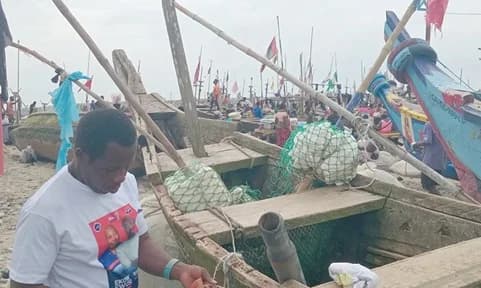
Beyond the mainland, Ghana’s "blue economy" is also under siege, prompting calls for stricter enforcement of fisheries laws. During World Ocean Day observations, members of the National Fisheries Association of Ghana expressed concern over diminishing catches caused by overfishing and illegal practices. Fisherfolk, particularly women who manage processing and sales, emphasize that the sea is central to West African nutrition and food security. Nana Solomon, President of the association, has advocated for a multi-sectoral strategy and a "just transition" to ensure that marine resources remain sustainable for future generations amid the pressures of population growth and climate change.
The common thread across these regional reports is the critical necessity of institutional support and community-led conservation. Whether through the successful implementation of nature-based strategies in East Africa or the desperate plea for irrigation and anti-mining enforcement in Ghana, the message from the ground is clear: the resilience of African livelihoods depends on the protection of the natural capital—soil, water, and sea—that sustains them. Moving forward, stakeholders emphasize that market linkages, gender-responsive design, and strong local governance will be the pillars of a sustainable and climate-resilient Africa.
This story touches markets covered on Anansi Intelligence ↗.
More from africa
Continue exploring similar stories


