••
Strengthening Africa’s Future: Energy Integration, Security Concerns, and Climate Resilience Take Center Stage
•3 min read•16 sources
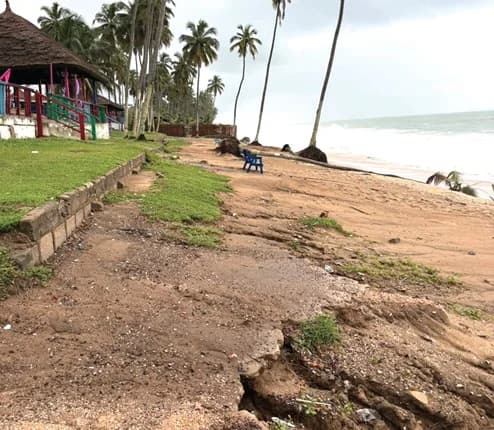
Across the African continent, a series of high-level summits and regional developments are highlighting the urgent need for integrated energy systems, local innovation, and robust security frameworks. In Accra, Ghana's Minister of Energy and Green Transition, Dr. John Abdulai Jinapor, used the 3rd Africa Energy Technology Conference to call for a decisive shift from raw material exports to value-added industrialization. He emphasized that Africa's economic transformation hinges on affordable, sustainable energy, advocating for nuclear and renewable investments under the African Continental Free Trade Area. This call for self-reliance was echoed by Professor Fred McBagonluri of Academic City University, who urged African educational institutions to develop local engineering solutions tailored to the continent's specific challenges rather than relying on foreign models.
While policy leaders focus on development, regional security remains a critical concern. A recent Human Rights Watch investigation has exposed severe human rights violations in Uvira, DR Congo, including summary executions and sexual violence committed by M23 rebels and Rwandan soldiers. The volatility of the region's borders was further highlighted by the release of Zakaria Abubakari, a Ghanaian man who returned home after 77 days of detention in Burkina Faso following a military operation. These incidents, alongside a rise in reported violence against women and children in Ghana—flagged by the Campaign for Female Education (CAMFED)—underscore the complex human rights landscape facing the continent and the need for greater multi-stakeholder collaboration to ensure public safety and justice.
Environmental challenges also continue to test local infrastructure and disaster management capabilities. In Ghana’s Volta Region, the Adaklu Mountain has been declared a security zone by Minister James Gunu following a devastating mudslide caused by torrential rains that destroyed homes and vehicles. Similarly, in Cape Coast, over 50 houses were submerged after hours of heavy rainfall, prompting emergency rescues by NADMO. These natural disasters coincide with growing concerns about the "concretization" of Ghana’s coastlines. Experts and residents are calling for a more holistic planning approach to beach development that balances economic tourism growth with environmental preservation, ensuring that the natural beauty and cultural significance of coastal regions are not lost to unplanned urban sprawl.
In the midst of these challenges, community and religious leadership continue to play a stabilizing role. The National Chief Imam, Osman Nuhu Sharubutu, has urged Ghanaian pilgrims preparing for the 2026 Hajj to maintain discipline and humility, serving as ambassadors for the nation. Simultaneously, local government initiatives like the Accra Metropolitan Assembly’s provision of streetlights to the Kantamanto Market are improving security for traders. As Parliament prepares to host the 4th African Inter-Parliamentary Conference on Family and Sovereignty, the recurring theme across all sectors remains the same: the necessity of coordinated, indigenous action to address the continent’s energy, security, and environmental vulnerabilities.
This story touches markets covered on Anansi Intelligence ↗.
More from africa
Continue exploring similar stories


