••
Redefining Africa’s Economic Future: Leaders Call for Structural Reform and Continental Integration
•2 min read•9 sources
At a series of high-level forums across the continent, African leaders and economic experts are intensifying calls for a fundamental shift in how the continent engages with the global financial system and manages its internal trade. From critiques of the post-WWII Bretton Woods architecture to bold new proposals for intra-African commerce at the 2026 African Trade Conference, a clear narrative of economic self-determination is emerging. These developments highlight a growing consensus that sustainable growth requires both the reform of external dependencies and the strengthening of internal industrial and trade frameworks.
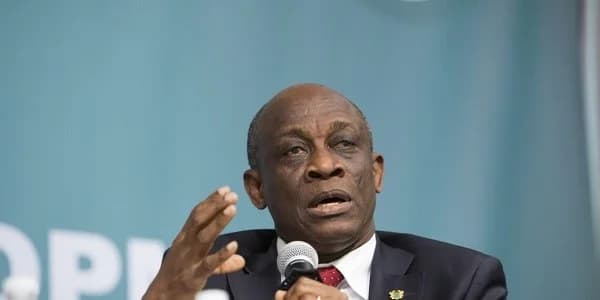
Former Ghanaian Finance Minister Seth Terkper has been a vocal critic of the historical underpinnings of the International Monetary Fund (IMF) and World Bank. During discussions on the PM Express Business Edition, Terkper argued that these institutions were never designed with Africa’s unique developmental needs in mind, having been established primarily to rebuild war-torn nations after World War II. He emphasized that the current global financial architecture often leaves African economies underrepresented and vulnerable to external shocks, such as geopolitical tensions, necessitating a re-evaluation of how these institutions serve the continent today.
Complementing this call for structural change, Ghana’s Minister for Trade, Agribusiness and Industry, Elizabeth Ofosu-Adjare, recently advocated for "pragmatic, country-led solutions" during the African Trade Conference in Cape Town. With intra-African trade stagnating at approximately 15% of total exports, Ofosu-Adjare proposed a flexible policy framework that allows individual nations to lead on trade initiatives without waiting for unanimous African Union consensus. Her discussions with Zambian counterparts focused on practical hurdles, such as reducing non-tariff barriers and streamlining digital cross-border infrastructure to foster deeper regional integration.
On the ground, regional partnerships and local innovations are driving this developmental agenda forward. The Africa Development Council (ADC) has solidified a partnership with Burkina Faso to establish the country as a hub for industrial human resource development. ADC President Dr. Bright Atsu Sogbey highlighted the necessity of training skilled professionals to anchor sustainable industrialization, announcing plans to honor President Ibrahim Traoré for his commitment to domesticated growth. Simultaneously, the 3rd Ghana Development Awards 2026 recognized organizations like Eminence Lead International for their "Most Outstanding Innovation in Economic Empowerment," signaling a growing emphasis on grassroots leadership and poverty eradication as cornerstones of the continent's progress.
This story touches markets covered on Anansi Intelligence ↗.
More from africa
Continue exploring similar stories


