••
Continental Health and Development: Navigating Ebola Emergencies, Hypertension Threats, and Historic Philanthropic Support
•3 min read•15 sources
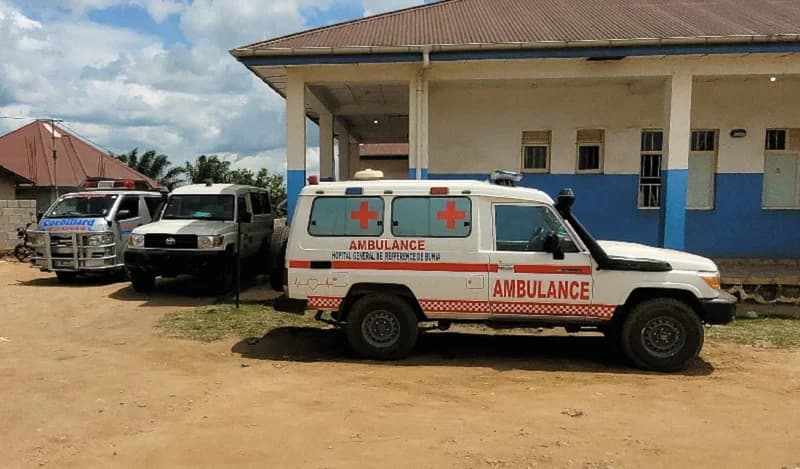
The African continent is currently navigating a complex landscape of urgent public health crises and significant developmental milestones. While the World Health Organization (WHO) and regional governments are responding to a spreading Ebola outbreak in Central Africa, major philanthropic organizations like the Rockefeller Foundation are injecting hundreds of millions of dollars into local health and energy systems to build long-term resilience. This dual reality highlights both the vulnerabilities of existing health infrastructures and a growing shift toward African-led solutions for sustainable development.
Central to current health concerns is an Ebola outbreak in the Democratic Republic of Congo (DRC) and Uganda, which the WHO has declared a Public Health Emergency. The outbreak, primarily involving the rare Bundibugyo strain for which no vaccine or effective treatment currently exists, has resulted in over 131 deaths and hundreds of suspected cases. In response, Uganda has established stringent border controls, while Ghana’s Ministry of Health has heightened surveillance and public awareness campaigns. Although no cases have been recorded in Ghana, health authorities emphasize the need for vigilance and early reporting to prevent the virus from spreading through West Africa.
Amidst these emergencies, the Rockefeller Foundation’s 2025 Impact Report, "Big Bets, Real Results," reveals a significant commitment to the continent. The foundation awarded over US$350 million and mobilized US$3 billion globally, with more than US$133 million specifically targeted at 66 initiatives across Africa. These investments include health partnerships in West Africa to improve outbreak response, solar energy projects in Nigeria connecting 30,000 people to power, and a school feeding program in Ghana. William Asiko, representing the foundation, emphasized that strengthening local systems and prioritizing African-led approaches are essential for tackling developmental challenges during periods of declining international aid.
On a national level, Ghana is addressing localized health threats through targeted initiatives. In the Ashanti Region, health officials have labeled hypertension a "silent time bomb," accounting for over 10% of deaths in the region. To combat this, the "Measure 1 Million" campaign aims to screen one million adults by 2026. Additionally, maternal and child health services are seeing improvements with the inauguration of a GH¢2.4 million Reproductive and Child Health (RCH) Unit at the Sunyani Municipal Hospital and outreach programs by the Telecel Ghana Foundation in Ada, which provided free ultrasound scans to over 300 pregnant women. These grassroots efforts are complemented by educational programs on substance abuse prevention for students in Accra.
Looking toward the future, the 5th West Africa Pharma and Healthcare Expo, scheduled for June 2026, aims to further consolidate these gains by connecting over 10 countries and 100 exhibitors. The event will focus on innovation and collaboration to modernize Africa’s health systems. Collectively, these developments underscore a pivotal moment for the continent: while immediate threats like Ebola require rapid international and regional coordination, the long-term focus is shifting toward self-reliance, infrastructure modernization, and preventative healthcare to ensure a resilient future.
This story touches markets covered on Anansi Intelligence ↗.
More from africa
Continue exploring similar stories


