••
Africa in Focus: Diplomatic Shifts, Security Challenges, and the Push for Sustainability
•3 min read•11 sources
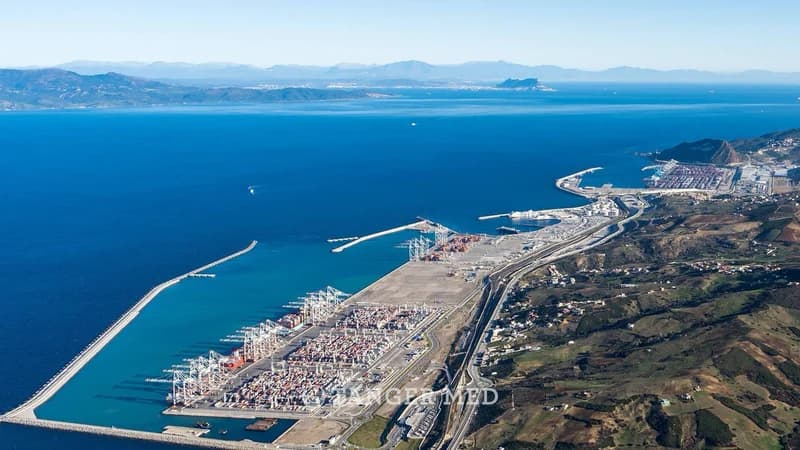
The African continent is witnessing a series of transformative developments across its political, social, and economic landscapes, marked by strategic diplomatic reforms and a renewed focus on sustainability. In North Africa, Morocco is increasingly recognized as a stable strategic hub, leveraging autonomy plans for the Sahara and massive infrastructure projects like the Tanger Med port to bolster its global influence. According to the Stimson Centre, the kingdom is also leading in renewable energy and digital transformation, positioning itself as a bridge between Africa and Europe. Simultaneously, the Consular & Diplomatic Service University (CDSU) is expanding its footprint from its base in Ghana to branches in Asia and Europe, aiming to professionalize diplomatic education and peacebuilding efforts for a new generation of African leaders.
However, these advancements are occurring alongside complex administrative and security challenges. In Ghana, the local organizing committee for the 2023 African Games recently faced scrutiny over a GH₵35.8 million bill from the Ghana Police Service, highlighting transparency issues and unexpected costs in hosting major continental events. Security remains a critical priority in the West African sub-region, as evidenced by the recent interception of 1,000 rounds of live ammunition by police and military forces in Nkwanta, Oti Region. This intelligence-led operation, which led to the arrest of two suspects, underscores the ongoing efforts to maintain stability amidst localized violence. Meanwhile, political and religious leaders are calling for greater community engagement; former President John Dramani Mahama recently urged religious figures to move beyond urban centers to foster holistic development in rural communities.
Sustainability and historical preservation have also taken center stage as key pillars for future growth. Ghana is making strides in its cocoa sector with the implementation of the Ghana Cocoa Traceability System (GCTS), a move praised by German embassy officials as essential for meeting European Union Deforestation Regulations (EUDR). This drive for green progress is echoed in the work of thought leaders like Nana Akua Maafo-Dosoo, whose advocacy for green infrastructure and sustainable housing seeks to reshape urban development. Conversely, the discovery of late President Dr. Hilla Limann’s deteriorating pickup truck in Gwollu has sparked calls for better preservation of national heritage, reminding the public of the need to honor the artifacts of past leadership even as the continent looks forward.
Beyond policy and security, the continent's cultural and lifestyle narratives reflect a blend of ancient tradition and modern debate. In Ethiopia, the perilous barefoot ascent to the sixth-century rock-hewn church of Abuna Yemata Guh continues to symbolize a profound connection between faith and historical endurance, remaining the world’s most inaccessible place of worship. On the modern front, discussions around healthcare and child-rearing continue to influence the African diaspora, as seen in the public discourse surrounding maternal healthcare standards and the choice of upbringing for the next generation. Collectively, these stories represent a continent in transition, balancing the preservation of its rich history with the urgent demands of 21st-century governance and environmental responsibility.
This story touches markets covered on Anansi Intelligence ↗.
More from africa
Continue exploring similar stories


