••
Strengthening Continental Ties: From Diplomatic Solidarity to Economic and Cultural Self-Reliance in Africa
•3 min read•11 sources
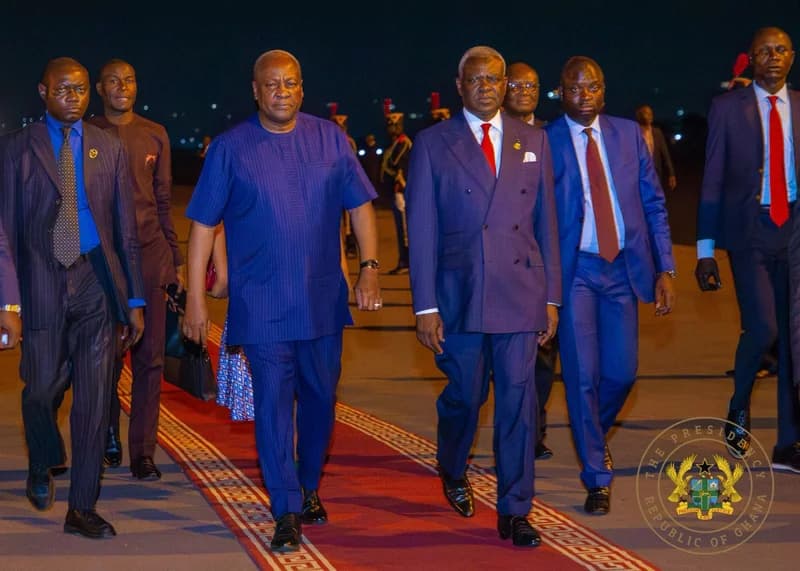
Across the African continent, a series of diplomatic, economic, and cultural developments are underscoring a collective push for self-reliance and accurate global representation. In a significant display of regional solidarity, Ghanaian President John Dramani Mahama recently attended the investiture of Republic of Congo’s President Denis Sassou N’Guesso in Brazzaville. President N’Guesso, who secured a fifth term with 94.82% of the vote, hosted several African leaders at a ceremony that highlights the importance of maintaining strong diplomatic ties within the region. This visit follows President Mahama’s launch of the Free Primary Healthcare Programme in Ghana, reflecting a dual focus on internal development and continental cooperation. Complementing this diplomatic outreach, Morocco has donated 2,000 metric tonnes of fertilizer to Ghana to bolster its 'Feed Ghana' initiative, a move aimed at enhancing agricultural resilience and food security amidst rising global costs.
On the economic front, the Africa Economic Forum recently convened a high-level meeting in Accra to discuss the continent's role in the global economic order. Former President John Agyekum Kufuor endorsed the establishment of an African-led economic forum, urging nations to push for greater self-reliance and improved regional connectivity to overcome trade barriers. These discussions are particularly timely given the International Monetary Fund’s (IMF) latest forecasts. The IMF anticipates that Africa’s economic growth will slow to 4.2% by 2026, largely due to rising energy costs and inflation threats stemming from conflicts in the Middle East. Policymakers are being urged to anchor inflation expectations and provide fiscal support to vulnerable populations as sub-Saharan growth is projected to dip slightly from previous years.
Simultaneously, a movement to reclaim Africa’s identity and status on the world stage is gaining momentum through a campaign initiated by Togo. The Togolese government is advocating for United Nations member states to adopt world maps that accurately represent the true size of Africa, challenging the historical Mercator projection. Togo’s foreign minister and advocacy groups like Africa No Filter have labeled the current European-centric maps a 'colonial legacy' that minimizes Africa's stature and distorts global perceptions. This push for 'scientific truth' in geography aligns with recent African Union resolutions aimed at correcting visual misrepresentations that have persisted for centuries.
Cultural and intellectual achievements are also being spotlighted as Rabat, Morocco, has been designated as the UNESCO World Book Capital for 2026. This prestigious honor, which follows Accra’s previous tenure, will be celebrated with a major international book fair and over 342 activities designed to promote literature and publishing. Under the patronage of King Mohammed VI, the initiative aims to cement Rabat’s status as a cultural hub and recognize its rich heritage. Together, these events—ranging from agricultural partnerships and economic strategy to geopolitical representation and cultural recognition—reflect a continent actively shaping its own narrative and striving for a more prominent role in the 21st-century global landscape.
This story touches markets covered on Anansi Intelligence ↗.
Related topic
John Mahama: Latest News & Updates →More from africa
Continue exploring similar stories


