••
China-Africa Energy Forum and Cultural Heritage Restoration Drive New Agenda for African Sovereignty
•2 min read•4 sources
Leadership from across Africa and China are intensifying efforts to secure energy independence and reclaim cultural heritage, signaling a shift toward a more self-determined continental future. At the 2026 China-Africa Think Tank Energy Forum in Addis Ababa, approximately 100 experts gathered to address the urgent need for sustainable power amidst global energy disruptions. This push for energy diplomacy is being mirrored in the cultural sector, where Ghana’s Minister for Tourism, Culture and Creative Arts, Hon. Abla Dzifa Gomashie, is successfully negotiating the return of historical artifacts from European institutions, including 18th-century slavery shackles currently held by the International Slavery Museum in Liverpool.
The Addis Ababa forum emphasized a strategic pivot toward renewable energy and robust power grids to mitigate the impact of Middle East crises on African oil supplies. Jiang Feng of the Chinese Mission to the AU and experts like Erastus Mwencha stressed that low-carbon technologies and regional integration are essential for future job creation and sustainable development. This vision for energy self-reliance aligns with domestic calls in Ghana for a total overhaul of the colonial-era governance mindset. Cultural critic Ben Brako argues that true sovereignty requires moving beyond a 'Clerk Mentality' focused on colonial protocols toward an 'Architect Mindset' that values indigenous wisdom and innovative, equitable governance.
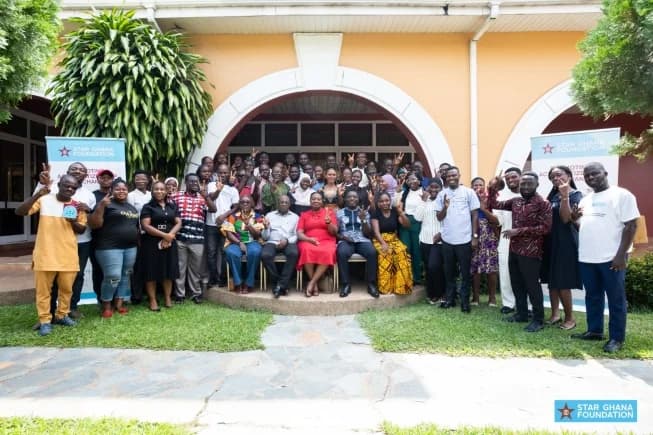
Complementing these high-level diplomatic and philosophical shifts, the STAR-Ghana Foundation is advocating for the integration of volunteerism into the national development agenda to enhance grassroots participation. Executive Director Ibrahim Tanko-Amidu highlighted that volunteerism is a deeply rooted Ghanaian cultural value that remains vital for inclusive decision-making, particularly as the youth face economic challenges and dissatisfaction with democratic outcomes. By mobilizing citizens across generations, the foundation aims to bridge the gap between the educated elite and the populace, reinforcing the active citizenship necessary for the next phase of national development as Ghana approaches its 70th anniversary of independence.
These developments in energy diplomacy, heritage restoration, and civic engagement represent a unified movement toward redefining African independence in the 21st century. Whether through the successful return of looted heritage items or the expansion of community-led development initiatives, the focus remains on local ownership and long-term sustainability. As stakeholders from both the government and private sectors are urged to invest in these areas, the continent is positioning itself to transform historical legacies into a foundation for more equitable, self-reliant, and resilient growth.
This story touches markets covered on Anansi Intelligence ↗.
More from africa
Continue exploring similar stories


