••
Strengthening Africa’s Agricultural Future: Innovation, Diversification, and Strategic Partnerships Address Rising Food Demand
•3 min read•6 sources
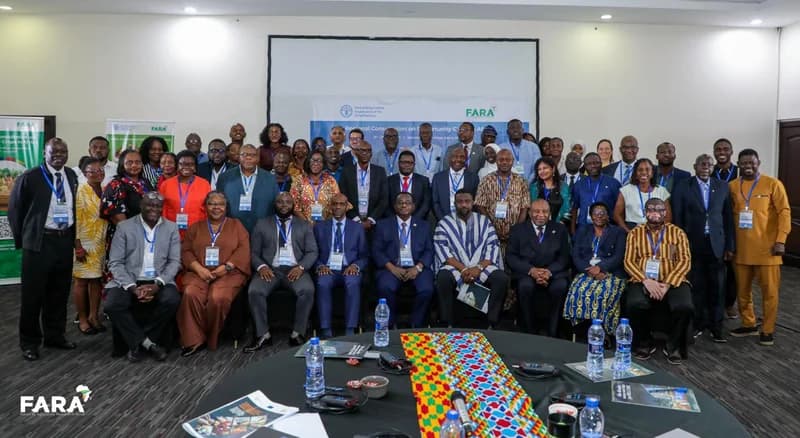
As Africa prepares for an expected 50 percent surge in food demand by 2050, international agencies and regional leaders are intensifying efforts to transform the continent's agricultural landscape through scientific innovation and enhanced cooperation. During a regional consultation in Accra, the Food and Agriculture Organization (FAO) of the United Nations emphasized the urgent need for African nations to adopt sustainable practices and diversify crop production. Dr. Chikelu Mba of the FAO highlighted the potential of underutilized "opportunity crops" and indigenous varieties to provide both nutritional benefits and climate resilience, a sentiment echoed by Ghana’s Deputy Minister for Food and Agriculture, John Setor Dumelo, who affirmed the role of these crops in securing the continent's food future.
A cornerstone of this transformation is a new scientific initiative led by the International Atomic Energy Agency (IAEA) in partnership with the FAO, targeting the devastating parasitic weed, Striga hermonthica. Known as "witchweed," Striga severely impacts staple crops like maize and sorghum, occasionally causing total yield losses for farmers in sub-Saharan Africa, including Ghana. Dr. Pooja Bhatnagar-Mathur of the FAO/IAEA Centre explained that researchers are currently using advanced mutation breeding techniques to identify resistant genes and develop resilient sorghum varieties. The project is moving into the seed multiplication phase, with experimental field trials scheduled for next year to provide farmers with the tools to reclaim their harvests from this persistent parasite.
Beyond scientific interventions, the economic stability of African agriculture is being bolstered through regional diplomacy, particularly in the cocoa sector. In a recent meeting of the Côte d’Ivoire-Ghana Cocoa Initiative in Abidjan, the Chief Executive of the Ghana Cocoa Board, Dr. Randy Abbey, called for unprecedented levels of trust and transparency between the two nations. As the providers of over 60 percent of the world’s cocoa, a unified front between Ghana and Côte d’Ivoire is considered essential for influencing global market prices and ensuring fair value for local producers. This partnership aims to move beyond competition toward a collaborative model that prioritizes the livelihoods of smallholder farmers.
These multi-faceted strategies—ranging from nuclear-derived plant breeding to cross-border economic alliances—represent a comprehensive approach to securing Africa's food and economic sovereignty. By integrating high-tech solutions for weed management with policy-driven crop diversification and strategic market cooperation, stakeholders aim to create a more resilient agricultural system. The success of these initiatives will depend on sustained investment and the continued commitment of regional governments to implement the recommendations generated by these international consultations, ensuring that the continent can meet the nutritional and economic needs of its growing population.
This story touches markets covered on Anansi Intelligence ↗.
More from africa
Continue exploring similar stories


