••
Africa 2026: Navigating Cultural Heritage, Economic Resilience, and the Digital Frontier
•3 min read•7 sources
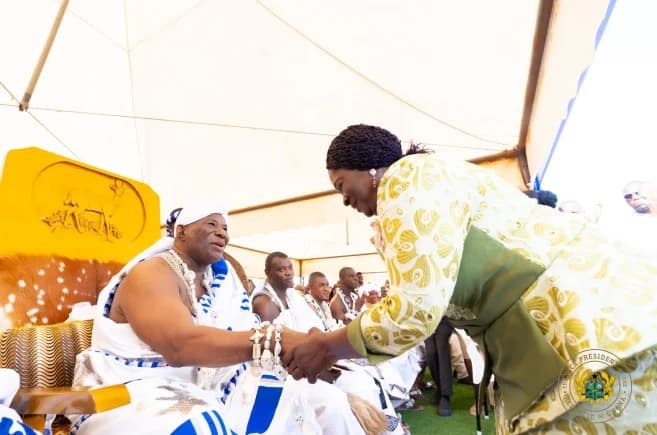
The African continent is currently navigating a complex landscape of cultural preservation, technological advancement, and significant economic challenges as it moves through the first half of 2026. In West Africa, Ghana is witnessing a vibrant cultural season marked by the grand celebration of the Aboakyer Festival in Winneba, where Vice President Professor Naana Jane Opoku-Agyemang emphasized the role of heritage in national development. Simultaneously, the Ga Traditional Council has initiated its annual month-long ban on drumming and noisemaking to facilitate sacred rites for the upcoming Homowo Festival, reflecting a deep-seated commitment to ancestral traditions. This spirit of resilience is mirrored in North Africa, where the historic Ghriba synagogue in Tunisia welcomed back hundreds of Jewish pilgrims. Despite the lingering shadows of a 2023 attack, the event saw a cautious but significant return to normalcy under heavy security, signaling a gradual restoration of confidence in the region’s religious tourism.
However, this cultural vitality faces potential disruption from looming economic headwinds. The World Bank’s April 2026 Commodity Markets Outlook has issued a stark warning that global fertilizer prices are projected to surge by over 30% by the end of the year. This spike, driven by energy market fluctuations and geopolitical tensions, poses a severe threat to food security across Sub-Saharan Africa, particularly in nations like Ghana where affordable agricultural inputs are already scarce. Addressing these structural challenges, African leaders and innovators are turning toward digital solutions. The upcoming ID4Africa 2026 conference in Abidjan, scheduled for mid-May, will feature key industry figures like Margins Group CEO Moses Baiden, who is set to advocate for integrated digital identity systems to enhance service delivery and foster continental economic integration.
Amidst these developments, there is a growing call for Africa to reclaim its narrative and bolster its domestic systems. Professor Kwame Karikari, a veteran media advocate, recently criticized the continent's media houses for their weak coverage of geopolitical issues and their continued reliance on Western outlets like CNN and the BBC. He urged for a revitalized media landscape that prioritizes African interests and provides indigenous perspectives on global events. This call for visibility aligns with the Ghana Tourism Authority’s newly launched "Experience Ghana" digital campaign. By leveraging social media and storytelling, the initiative aims to boost domestic tourism expenditure—currently estimated at GH¢6.69 billion—while ensuring that the continent's rich experiences are documented and shared by its own people, reinforcing the belief that digital visibility is essential for market survival in the modern era.
This story touches markets covered on Anansi Intelligence ↗.
More from africa
Continue exploring similar stories


