••
ACE Consult, Sunnyside Schools, and Chinese Bridge Competition Drive Cultural and Global Competency in African Education
•3 min read•3 sources
Educational institutions across the African continent are increasingly leveraging language competitions, spoken word contests, and cultural celebrations to equip students with critical global perspectives and a strong sense of identity. From the expanding ACE Spoken Word Competition in Ghana to the prestigious Chinese Bridge Competition in Zambia, these initiatives are redefining the modern classroom as a space for international diplomacy and cultural preservation. These programs aim to prepare students for a globalized world while grounding them firmly in their respective heritages.
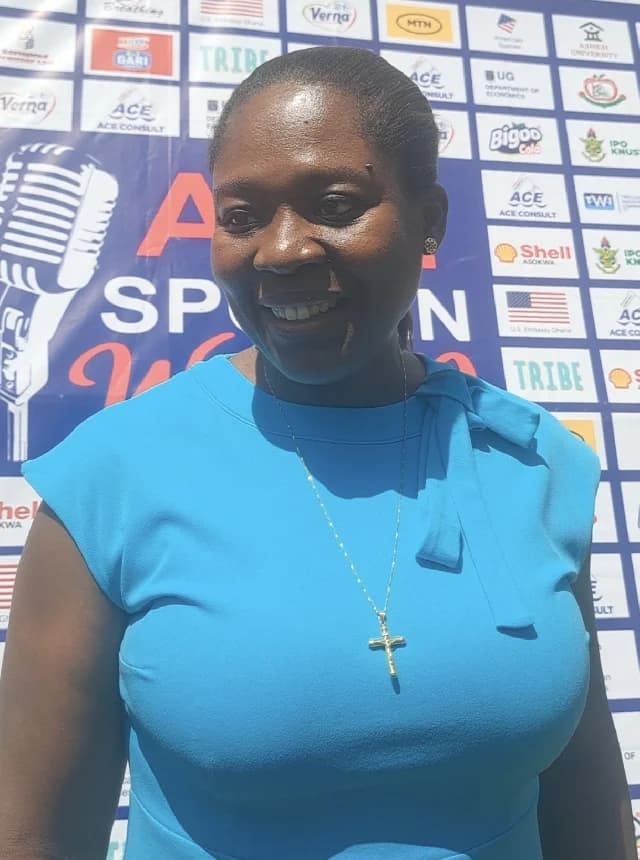
In Ghana, ACE Consult has significantly expanded its influence, partnering with the U.S. Embassy to transform critical thinking and public speaking in high schools. Since its inception in 2024, the ACE Spoken Word Competition has grown from 17 to 46 participating schools by 2026, stretching its reach from the Ashanti to the Greater Accra region. Executive Director Marilyn Owusu emphasized that the 2026 theme—celebrating both the USA’s 250th anniversary and the FIFA World Cup—aims to foster global unity. Owusu advocates for students to seize international educational opportunities, particularly in the United States, as a catalyst for life transformation and leadership development.
Complementing this international outlook, local institutions like Sunnyside Schools are reinforcing the importance of African heritage. During recent African Union Day celebrations, Headmaster Osman Abdul Razak called for stronger cultural awareness among learners. The event featured traditional attire and activities designed to showcase the continent's diversity. Razak noted that while globalization offers new opportunities, educational institutions must remain anchors for African identity, nurturing tolerance and responsible citizenship. He urged students to act as ambassadors of African culture, aligning with the broader vision of an integrated and prosperous Africa.
Beyond West Africa, the 2026 Chinese Bridge Competition in Lusaka, Zambia, provided a similar platform for linguistic and cultural excellence. Students showcased their proficiency in Mandarin through speeches, songs, and traditional Chinese dances. Notable winners included Margret Mwanza in the college category and Loyce Musonda for secondary schools. Musonda expressed a clear ambition to study in China and eventually return as a language educator. Mundia Muya, Vice Chancellor of the University of Zambia, commended the event for providing a practical arena for students to demonstrate their skills and for the role teachers play in bridging the educational gap between the two nations.
These diverse educational initiatives highlight a growing trend: the shift toward a holistic curriculum that balances local heritage with global competency. Whether through the lens of Sino-Zambian cooperation or Ghanaian-American cultural exchange, the focus remains on empowering the next generation of leaders. By fostering skills in public speaking, language, and cultural diplomacy, these programs ensure that African students are well-prepared to navigate and lead in an increasingly interconnected global landscape.
This story touches markets covered on Anansi Intelligence ↗.
More from education
Continue exploring similar stories


