••
Accra Paralyzed by Record Rainfall: Government Deploys Emergency Teams and Calls for National Flood Action Plan
•3 min read•13 sources
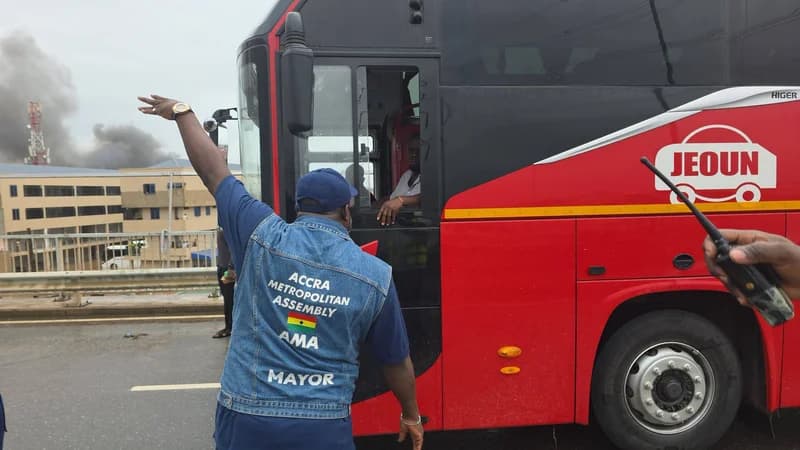
Parts of Southern Ghana, including the capital Accra, Tema, and Kasoa, have been plunged into a state of emergency following exceptionally heavy rainfall that has caused widespread flooding and gridlock. On June 29, recording stations noted approximately 140 millimeters of rainfall in a single day—a figure described by President John Dramani Mahama as one of the most severe in recent years. The torrential downpour has submerged major roadways and residential areas, prompting the Ministry of the Interior to deploy a joint emergency task force comprising the Ghana Police Service, the Ghana National Fire Service, and the Ghana Armed Forces to assist stranded citizens and monitor high-risk zones.
In response to the crisis, Greater Accra Regional Minister Linda Obenewaa Akweley Ocloo directed all Metropolitan, Municipal, and District Chief Executives (MMDCEs) to intensify rescue efforts and provide immediate relief to affected communities. The Accra Metropolitan Assembly (AMA) has also taken strategic steps to ensure public safety, with Chief Executive Michael Kpakpo Allotey ordering VIP bus drivers to relocate from the Kwame Nkrumah Flyover area to the ATTC yard. This directive follows alarming reports of vehicles being swept away by floodwaters and is intended to prevent further loss of life while improving traffic flow at critical intersections.
The recurring nature of these floods has sparked intense debate among political leaders and environmental experts regarding Ghana's disaster preparedness. While Dr. Mahamudu Bawumia expressed deep sympathy for the victims and urged the public to comply strictly with National Disaster Management Organisation (NADMO) directives, others have called for more radical structural changes. Environmental advocate Krobea Asante, CEO of Drink Safe Water Ghana Limited, labeled the recurring crisis a "national shame" and proposed the implementation of a comprehensive National Flood Action Plan. This sentiment was echoed by President Mahama, who attributed the worsening situation to a combination of climate change, inadequate drainage infrastructure, and rapid urban development.
Beyond the political sphere, prominent Ghanaian voices have joined the call for collective action and personal responsibility. Award-winning musician Stonebwoy urged citizens to stop disposing of waste in drains, emphasizing that flood prevention is a shared duty, while rapper M.anifest lamented the predictable nature of the disaster. Meanwhile, the Ghana National Fire Service (GNFS) has highlighted logistical gaps, specifically calling for the procurement of fully equipped rescue boats to improve their response capacity. With further rainfall forecasted, authorities remain on high alert, advising residents in flood-prone areas to move to higher ground and report emergencies immediately.
This story touches markets covered on Anansi Intelligence ↗.
More from africa
Continue exploring similar stories


