••
Accra Real Estate and Retail Sectors Surge with New Luxury Developments and Infrastructure Expansions
•2 min read•5 sources
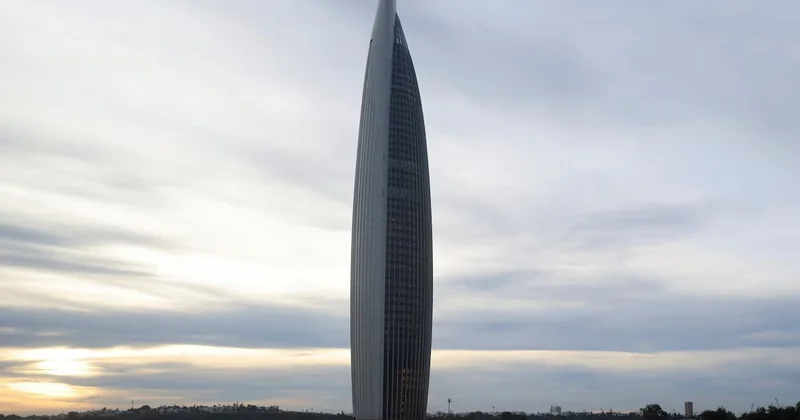
Accra's business landscape is undergoing a significant transformation, driven by a surge in luxury real estate developments and retail expansions. New projects like City Vallanza and The Chestnut are redefining urban living in the capital, while major retailers like CompuGhana continue to broaden their footprint. This local growth occurs against a backdrop of massive regional infrastructure investment, such as Morocco’s $20 billion preparation for the 2030 World Cup, signaling a robust outlook for property and tourism sectors across the African continent.
In the heart of Accra’s Airport Precinct, the Goldsyn Group has launched City Vallanza, the nation's first purpose-built urban villa community. This enclave features 46 exclusive villas designed around a "Community in the Park" concept, prioritizing greenery and pedestrian safety while offering premium amenities like in-villa elevators. Similarly, Myla Homes has introduced "The Chestnut" in the Airport Residential Area, offering boutique studios and apartments starting at $131,000. The Chestnut has already seen high investor interest, with 82% of its units sold within seven months of launch, reflecting a strong appetite for high-end residential assets and stable rental returns among expatriates and professionals.
The retail sector is also experiencing rapid growth, with CompuGhana recently opening a new branch on East Legon Avenue to meet the increasing demand for technology and home appliances. This expansion aims to enhance consumer access and create jobs in what is now a thriving commercial hub. However, this modern expansion stands in contrast to the historical challenges faced by veteran developers. Dr. Andrew Kwaku Asamoah, founder of the A&C Mall, recently reflected on the ten years it took to complete his project, citing a lack of long-term financial support from local banks that forced him to rely on personal resources. This highlights the evolving financial landscape and the resilience required to sustain large-scale commercial developments in Ghana.
Looking beyond Ghana, the broader regional trend toward infrastructure-led growth is exemplified by Morocco’s ambitious plan to add 60,000 hotel beds—a 20% increase—ahead of the 2030 World Cup. With an investment of over 190 billion dirhams ($20 billion), Morocco aims to attract 26 million tourists by the end of the decade. These developments, from Accra’s luxury villas to Rabat’s infrastructure upgrades, underscore a pivotal moment for African real estate and tourism, where strategic investments are being leveraged to secure long-term economic stability and global competitiveness.
This story touches markets covered on Anansi Intelligence ↗.
More from business
Continue exploring similar stories


