••
National Healthcare Gains: New Ambulance Station in Accra and Successful Cancer Surgery in Ho
•2 min read•2 sources
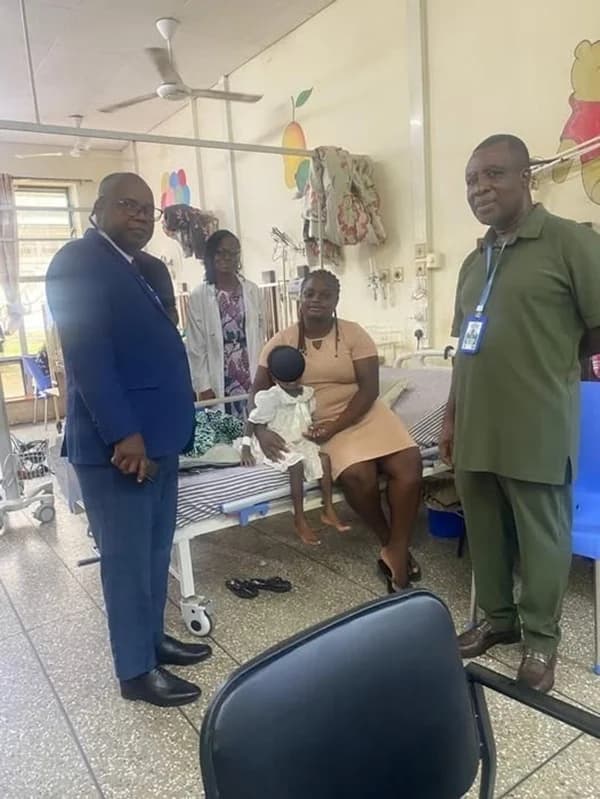
Ghana’s healthcare sector has recorded significant progress this week with the expansion of emergency response capabilities in the capital and a breakthrough in pediatric oncology in the Volta Region. The National Ambulance Service (NAS) has officially inaugurated the AMBU 43 station at its headquarters in Accra, while the Ho Teaching Hospital celebrates the successful recovery of a four-year-old girl following a complex surgery for Wilms’ tumour. These developments highlight a dual focus on strengthening national emergency infrastructure and ensuring financial accessibility for critical medical treatments through state-supported funds.
The new AMBU 43 station, established in collaboration with the Greater Accra Regional Administration, brings the total number of ambulance stations across the country to 320. Situated strategically within the Central Business District, the facility is designed to provide rapid emergency coverage for major state institutions and busy public spaces. Dr. George Kojo Owusu, CEO of the National Ambulance Service, emphasized that the station is equipped with an Advanced Life Support ambulance, which will play a crucial role in reducing emergency response times and enhancing the quality of pre-hospital care delivery in the heart of the capital.
Parallel to this infrastructure boost, the Paediatric Oncology Unit at Ho Teaching Hospital achieved a medical milestone with the successful treatment of a young patient diagnosed with Wilms’ tumour. The four-year-old underwent a rigorous seven-hour surgery and is currently responding well to post-operative chemotherapy. This life-saving intervention was made possible through the Ghana Medical Trust Fund under the MahamaCares initiative, which covered the costs of the procedure. Dr. Hintermann K. K. Mbroh, CEO of the Ho Teaching Hospital, praised the medical team’s expertise and underscored the vital role of the government’s financial support in treating complex childhood cancers.
These developments underscore the evolving landscape of Ghana’s healthcare system, where infrastructure expansion meets targeted financial intervention. While the NAS expansion aims to bridge the gap in emergency accessibility, the success in Ho demonstrates the tangible impact of collaborative healthcare financing on individual lives. Moving forward, the integration of specialized medical care with robust emergency response systems remains a priority for the nation, ensuring that both preventative and emergency medical needs are addressed with increased efficiency and equity.