••
Accra Hosts Major Continental Forums as Africa Tackles Security Threats, Environmental Crises, and Youth Agribusiness
•3 min read•6 sources
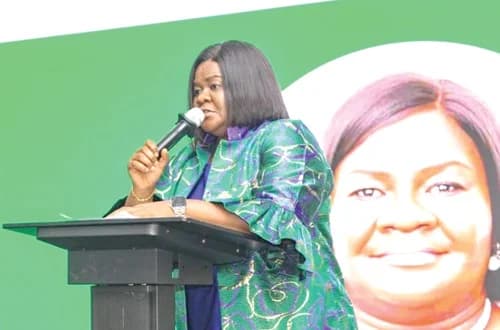
Accra has emerged as a central hub for continental policy as it hosts three major international gatherings focused on Africa's security, environment, and economic future. The 13th Africa Security Symposium (ASEC 2026) concluded with an urgent call from Interior Minister Muntaka Mohammed Mubarak for coordinated action and the modernization of security institutions to combat evolving criminal methods. Simultaneously, the Ghana Atomic Energy Commission (GAEC) convened scientists from 21 African nations to harmonize microplastics monitoring. Led by GAEC Director-General Prof. Samuel Boakye Dampare, the initiative leverages nuclear and isotopic techniques to establish unified protocols for protecting marine ecosystems against plastic pollution, reflecting a growing commitment to science-led environmental policy.
While high-level dialogues focus on long-term stability, the immediate dangers of resource-driven conflict were underscored by a violent clash in Darkokrom. A confrontation between residents and suspected illegal miners resulted in the death of 34-year-old Edwine Atteh Djaba and multiple gunshot injuries, including a 76-year-old man. The incident highlights the volatile nature of land and water rights, mirroring broader conservation concerns across the continent. In Southern Africa, the iconic Desert Rain Frog—famed for its unique defensive call—has been classified as at high risk of extinction. Conservationists attribute the species' decline to diamond mining and energy developments, warning that industrial encroachment could lead to a 20% population drop over the next two decades.
Addressing the continent's labor gap and food security, approximately 300 young entrepreneurs gathered for the National Youth Dialogue on Agribusiness. Supported by AGRA and the African Union, the event focuses on the African Agribusiness Youth Strategy (AAYS) to integrate youth into regional markets. AGRA’s John Jagwe emphasized the need for resilient food systems, while David Adama called for tailored regulatory support to assist the 20 million young people entering the African job market annually. The dialogue emphasizes inclusivity for women and persons with disabilities, positioning agriculture as a viable path for employment and economic independence.
On the local infrastructure front, the Public Utilities Regulatory Commission (PURC) successfully restored power stability to the Clayso community in the Bono Region after a year-long crisis. The intervention, which included the installation of a new transformer and plans for a dedicated substation, has been hailed as transformative for local economic activities. Collectively, these developments—from high-tech marine monitoring and regional security pacts to local utility improvements—illustrate a multi-tiered approach to building a more secure and prosperous Africa. The success of these initiatives will depend on sustained collaboration between governments, scientific bodies, and the burgeoning youth population.
This story touches markets covered on Anansi Intelligence ↗.
More from africa
Continue exploring similar stories


