••
Foreign Minister Samuel Okudzeto Ablakwa and Challenging Heights Reveal Escalating Crisis of Youth Trafficking and Fraudulent War Recruitment
•2 min read•7 sources
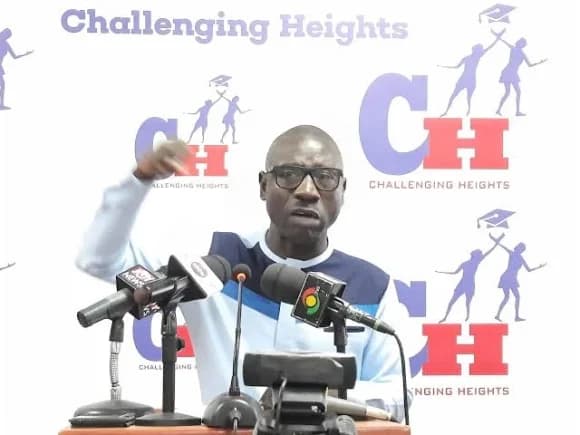
Ghana is grappling with a severe surge in transnational trafficking and fraudulent recruitment, as new government data reveals that hundreds of citizens have been lured into foreign conflicts and domestic exploitation. Foreign Affairs Minister Samuel Okudzeto Ablakwa announced on July 27, 2026, that approximately 272 Ghanaians have been recruited into the Russia-Ukraine war since 2022, primarily through deceptive employment schemes. This grim update coincides with a report from the NGO Challenging Heights, which successfully rescued 144 victims of modern slavery and trafficking within the first half of 2026, highlighting a pervasive pattern of exploitation targeting vulnerable youth and children. The involvement of Ghanaian nationals in the Eastern European conflict has reached a critical stage, with 55 individuals now feared dead. Minister Ablakwa detailed how these citizens were often promised legitimate jobs abroad only to find themselves deployed to the frontlines. The Ministry is currently engaged in high-stakes diplomatic negotiations to secure the release of those trapped in conflict zones, including at least two individuals confirmed as prisoners of war. Ablakwa expressed deep concern over the sophisticated nature of these fraudulent pipelines, which capitalize on economic desperation to feed global conflict and labor demands. Parallel to these international developments, local anti-trafficking efforts have exposed horrific conditions within Ghana’s borders. Challenging Heights reported the rescue of 42 children from forced labor on Lake Volta, along with 102 Nigerian nationals subjected to various forms of exploitation. Most alarmingly, the organization has uncovered evidence of an organized baby-harvesting and selling syndicate affecting young Nigerian women in Ghana. This operation underscores the evolving nature of human rights abuses, moving beyond traditional forced labor into more sinister forms of cross-border organized crime. As the World Day Against Trafficking in Persons approaches, both government officials and human rights advocates are calling for an urgent, multi-faceted response. Challenging Heights is demanding immediate investigations into the baby-harvesting syndicates and increased state funding for anti-trafficking initiatives. Meanwhile, the Mahama administration is under pressure to enhance surveillance of recruitment agencies and strengthen international cooperation to dismantle the networks preying on African youth. These dual crises serve as a stark reminder of the risks faced by those seeking economic opportunity, requiring a unified strategy to protect the nation's most vulnerable citizens.
This story touches markets covered on Anansi Intelligence ↗.
More from africa
Continue exploring similar stories


