••
From Zoblazo to Yeke Yeke: How Pan-African Hits Shaped Ghana’s Enduring Music Culture
•2 min read•1 source
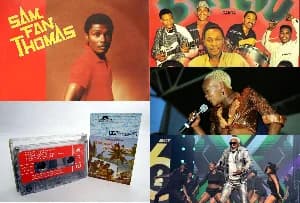
Ghana's music landscape has always been a melting pot of continental influences, long before the digital revolution transformed how audiences consume melodies. Historically, the nation's vibrant social life was fueled by a curated selection of pan-African hits that transcended borders, delivered via radio waves and passed through cassette tapes and CDs. These iconic songs, ranging from Meiway’s "Zoblazo" to Mory Kanté’s "Yeke Yeke," became integral to the Ghanaian cultural fabric, defining an era of collective celebration and high-energy social interaction.
In the decades preceding the dominance of streaming platforms like Spotify and Apple Music, the dissemination of music in Ghana was a more tactile and localized experience. Disc jockeys (DJs) played a pivotal role as cultural gatekeepers, selecting tracks that would eventually become anthems at weddings, outdoorings, and high-octane parties. The physical nature of media during this time—relying heavily on cassettes and compact discs—meant that music was often shared and experienced in communal settings. This environment cemented the role of nightlife and social gatherings as the primary arenas for musical discovery and public enjoyment.
The massive success of tracks from across the continent highlights Ghana’s historical openness to diverse African sounds. These hits were not merely background noise; they were deeply woven into the local nightlife culture, influencing dance styles and the overall energy of the Ghanaian social scene. This cross-pollination of genres enriched the local music industry, providing a historical foundation for the eclectic tastes that modern Ghanaian audiences exhibit today. The reliance on traditional media during this period fostered a unique environment where certain songs could maintain dominance for extended periods, eventually attaining the status of timeless classics.
As the industry transitions into a data-driven era dominated by digital algorithms, the nostalgia for the "radio and cassette" days remains a significant part of the national identity. While streaming has made music more accessible than ever, the core of Ghana’s music culture—rooted in the communal energy of social gatherings and the expert curation of local DJs—continues to thrive. Understanding this history provides essential context for the current evolution of the Ghanaian entertainment industry, where a rich past and a digital future continue to intersect.
This story touches markets covered on Anansi Intelligence ↗.
More from entertainment
Continue exploring similar stories


