••
Dr. Zelda Boatemaa Boateng Warns of National Crisis as 96% of Clinical Staff Lack Basic Life Support Certification
•2 min read•4 sources
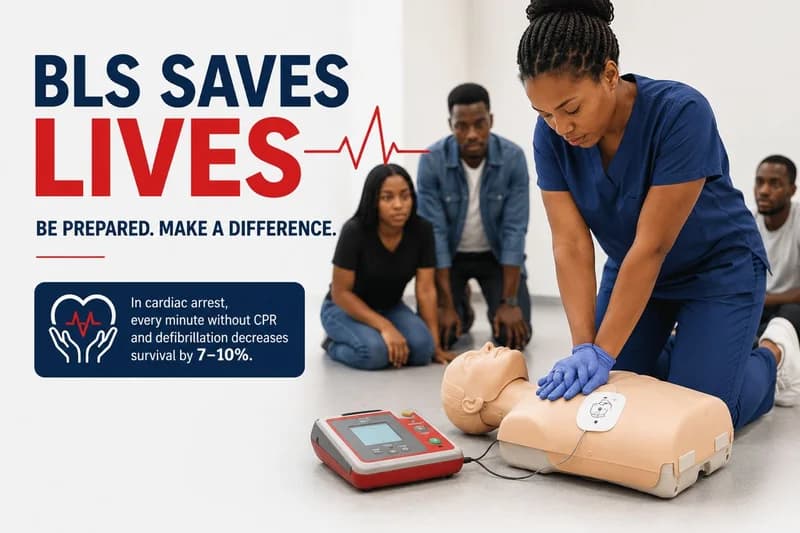
In Ghana, the critical window of the "first five minutes" often determines the survival of a patient in cardiac distress, yet the nation faces a profound deficit in emergency preparedness. Research published by Dr. Zelda Boatemaa Boateng in the Annals of Health Research has revealed a staggering statistic: 96.2% of clinical staff, including those at the Winneba Municipal Hospital, lack valid Basic Life Support (BLS) certification. This revelation suggests that even within medical environments, the capacity to provide immediate, high-quality lifesaving intervention is severely compromised, leading to preventable deaths that occur long before advanced medical help can be administered. The gap in lifesaving skills extends far beyond the clinical setting, as the majority of the Ghanaian public remains unfamiliar with Cardiopulmonary Resuscitation (CPR) and the operation of Automated External Defibrillators (AEDs). Unlike many other nations where AEDs are standard features in high-traffic public areas, they are virtually non-existent in Ghana’s markets, shopping malls, and transport hubs. This lack of access, paired with a general public that is unequipped to intervene during a cardiac arrest, creates a systemic vulnerability that leaves citizens at extreme risk during medical emergencies. Dr. Boateng advocates for a significant shift in national health policy to mirror international standards where CPR training is a requirement in schools and workplaces. By integrating BLS training into the national education curriculum and launching widespread public awareness campaigns, Ghana could cultivate a society of first responders capable of acting decisively when seconds count. The recent string of tragedies involving cardiac arrest serves as a somber reminder that the nation's current emergency infrastructure is underdeveloped and requires urgent reform. Addressing this crisis requires a multi-pronged approach involving government intervention, professional accountability, and community education. Ensuring that all healthcare professionals maintain up-to-date BLS certifications must be a priority, alongside the strategic installation of AEDs in public spaces. Ultimately, the goal is to empower every Ghanaian with the skills and tools necessary to bridge the gap between the onset of an emergency and the arrival of professional medical services, transforming a period of potential tragedy into an opportunity for survival.
This story touches markets covered on Anansi Intelligence ↗.
More from health
Continue exploring similar stories


