••
Fatal Extreme Sports Accidents Claim Lives of Yemen's 'Spider-Man' and Young Brazilian Woman
•2 min read•2 sources
The global extreme sports community is in mourning following two separate fatal accidents that claimed the lives of a renowned Yemeni free-climber and a young woman in Brazil. These incidents, occurring in vastly different contexts, have reignited debates surrounding the inherent risks of daredevil stunts and the critical importance of safety protocols in high-risk recreational activities. While one victim was known for performing without safety gear, the other's death has been attributed to a catastrophic failure by professional instructors, leading to criminal investigations.
In Yemen, 30-year-old Al-Qaqa Ibn Antar, popularly known as the "Spider-Man of Yemen," died after falling into the Hardah Dam volcanic crater. Known for his daring free-climbing stunts that garnered a significant social media following, Ibn Antar was attempting to scale the near-vertical walls of the crater without any safety equipment. Footage circulating online captured the moment he slipped and fell into the crater, which is a known tourist attraction due to its unique hot sulfur lake. Yemen's Civil Defence Authority later praised its water rescue team for successfully retrieving his body from a depth of 30 meters despite the challenging and treacherous conditions.
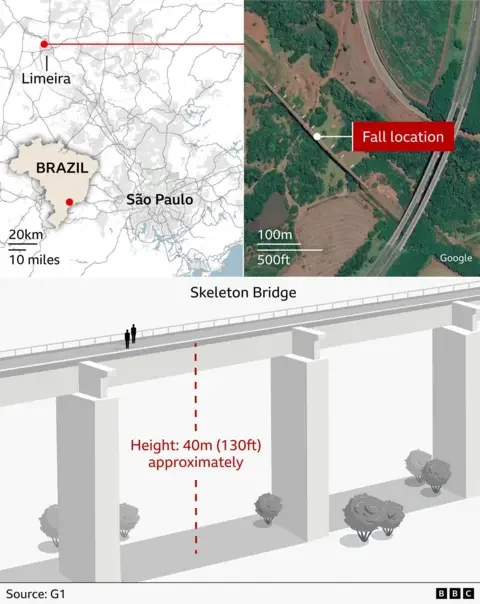
Simultaneously, a tragedy in São Paulo, Brazil, claimed the life of 21-year-old Maria Eduarda Rodrigues de Freitas during a rope-jumping activity at the abandoned Skeleton Bridge. Unlike the Yemeni incident, this death resulted from a professional oversight where instructors allegedly failed to attach the required safety rope before the jump. De Freitas fell approximately 40 meters to her death, sparking immediate outrage and calls for accountability. Three men have since been arrested as police investigate potential homicide charges, while local officials have announced plans to sue the federal government over the inadequate management and safety of the bridge site.
These two deaths highlight the varying degrees of risk in extreme sports, from the personal choice of free-climbing without equipment to the reliance on professional oversight in organized activities. As communities mourn the loss of these young lives, the incidents serve as a grim reminder of the thin margin for error in such pursuits. The legal proceedings in Brazil and the social media tributes for Ibn Antar reflect a shared demand for greater accountability and improved safety standards to prevent further tragedies in the world of extreme athletics.