••
World Bank Downgrades Ghana’s Energy Sector Recovery Programme to ‘Unsatisfactory’ as Losses Hit $1.5 Billion
•2 min read•7 sources
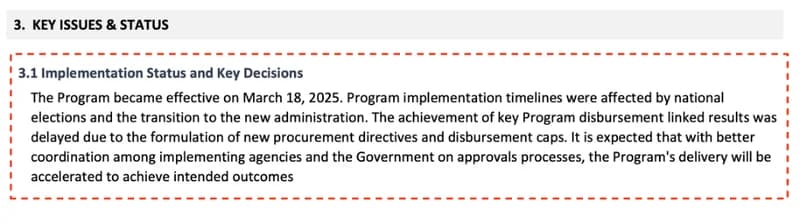
The World Bank has officially downgraded its assessment of Ghana’s Energy Sector Recovery Programme (ESRP) from ‘Moderately Satisfactory’ to ‘Unsatisfactory.’ This significant setback highlights a growing crisis in the nation’s energy landscape, driven by financing constraints, election-related disruptions, and persistent administrative hurdles. According to the assessment, the Electricity Company of Ghana (ECG) has seen its financial performance deteriorate sharply, with combined financial losses ballooning to approximately $1.5 billion and collection efficiency falling to just 85%, far below the program’s targets.
A primary factor in the downgrade is the stalling of critical reforms and infrastructure projects due to fiscal controls. The report notes that the Ministry of Finance has withheld essential Commitment Authorizations, which has directly halted the distribution of clean cooking stoves and the nationwide installation of smart meters. Furthermore, initiatives such as the National LPG Promotion Programme and various customer service improvements have fallen short of their intended benchmarks, complicating efforts to stabilize the electricity market and ensure long-term financial sustainability for the ECG.
Despite the overall negative assessment, there were minor milestones achieved, most notably the ECG’s successful publication of its audited financial statements. However, this progress is overshadowed by broader systemic barriers and procurement issues that continue to undermine the sector's operational efficiency. Analysts suggest that the current situation reflects the difficult balance the government must strike between aggressive fiscal consolidation and the urgent need for energy infrastructure development, especially as neighboring countries modernize their own energy markets to attract investment.
Moving forward, the World Bank emphasizes that restoration of the program’s status will require intensified coordination between the Ministry of Energy and the Ministry of Finance. Stakeholders warn that failure to streamline internal approval processes and fulfill financial commitments could further erode investor confidence and jeopardize the stability of Ghana's energy sector. While the government’s response to the downgrade is still pending, the report serves as a stark call for structural reforms to address the fiscal pressures that continue to hamper the country’s energy recovery efforts.
This story touches markets covered on Anansi Intelligence ↗.
More from business
Continue exploring similar stories


