Ghana News AI
HomeBriefsAsk GhanaAnalysisTopicsAbout
•
•

Stay Informed

Get AI-curated news briefs from Ghana delivered to your inbox every morning. Free forever, no spam.

Explore

  • Home
  • Briefs
  • About

Categories

  • Politics
  • Business
  • Sports
  • Entertainment
  • Africa

Features

  • Analysis
  • Cedi Rates
  • Dollar to Cedi
  • Ghana Gold Price

Topics

  • All Topics
  • Armed Forces Recruitment
  • Immigration Service Recruitment
  • Fire Service Recruitment
  • Prisons Service Recruitment
  • Customs Recruitment
  • WAEC Results & News
  • Ghana Education Service

Legal

  • Privacy Policy
  • Terms of Service
Ghana News AI© 2026 Ghana News AI. All rights reserved.
Made withfor Ghana
entertainment

African Music Giants Dominate Global Stages: Wizkid Hits 11 Billion Streams as BET Awards Spotlight Afrobeats

21st May•3 min read•10 sources
African Music Giants Dominate Global Stages: Wizkid Hits 11 Billion Streams as BET Awards Spotlight Afrobeats
  1. Home
  2. /Entertainment
  3. /African Music Giants Dominate Global Stages: Wizkid Hits 11 Billion Streams as BET Awards Spotlight Afrobeats

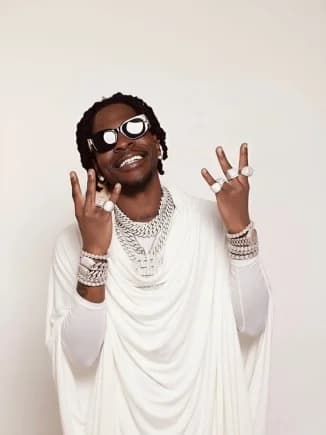
The global footprint of African music has reached a historic new peak as Nigerian superstar Wizkid becomes the first African artist to surpass 11 billion streams on Spotify. This milestone, announced by ChartsAfrica, follows the successful release of his collaboration with DJ Tunez, 'State of Mind,' which secured over 685,000 streams on its first day. The achievement coincides with a significant showing for Afrobeats at the upcoming 2026 BET Awards, where Wizkid and Asake made history with a joint nomination for 'Best Group' for their project 'REAL Vol. 1.' The awards, set for June 28 in Los Angeles and hosted by comedian Druski, also feature nominations for Tems, who garnered three nods including 'Best Female R&B/Pop Artist,' and Burna Boy, who is recognized for his collaboration with American rapper Gunna.

Beyond the BET stage, Ghanaian dancehall icon Shatta Wale has further solidified his international standing by winning two awards at the 43rd International Reggae and World Music Awards (IRAWMA) in Florida. Shatta Wale took home the titles for 'Best African Dancehall Entertainer' and 'Concert of the Year' for his ShattaFest show, bringing his lifetime IRAWMA tally to 11 awards. These victories underscore the continued relevance of Ghanaian dancehall on the world stage, even as the broader African music landscape shifts toward new digital milestones and mainstream Western award recognition.

Back in Ghana, the industry is grappling with the evolving costs and dynamics of stardom. Artist KiDi recently stepped forward to defend his former labelmate Kuami Eugene against rumors of declining talent following his departure from Lynx Entertainment. KiDi argued that while the 'system' of the music industry has changed, Kuami Eugene's ability remains intact, dismissing the so-called 'Lynx Curse.' This conversation about industry sustainability was amplified by Fameye, who sparked social media debate by claiming he needs $1 million to release his next song. While some fans took the comment as a joke, it has highlighted the skyrocketing financial requirements for high-level music production, branding, and global promotion in a competitive market.

Despite these financial and structural shifts, the creative output remains diverse and vibrant. Ghanaian gospel luminary Celestine Donkor recently launched her live project, 'Borborbor Hymns,' which blends contemporary gospel with the traditional rhythms of the Ewe people and features collaborations with major African gospel acts like Tembalami and Zaza Mokhethi. Simultaneously, diaspora artists like Flexclusive are bridging the gap between Europe and Africa with new releases like 'Destiny,' which infuses Afropop with emotional storytelling. These projects, ranging from indigenous gospel to global Afrobeats, demonstrate a robust and multi-faceted industry that continues to command attention both at home and abroad.

Our Take

From the Team

Coming Soon

Our team will add key insights, trends, and actionable takeaways to help you stay informed faster.

This story touches markets covered on Anansi Intelligence ↗.

More from entertainment

Continue exploring similar stories

From Zoblazo to Yeke Yeke: How Pan-African Hits Shaped Ghana’s Enduring Music Culture
entertainment|Yesterday

From Zoblazo to Yeke Yeke: How Pan-African Hits Shaped Ghana’s Enduring Music Culture

Ghana's music landscape has always been a melting pot of continental influences, long before the digital revolution transformed how audiences consume melodies. Historically, the nation's vibrant social life was fueled by a curated selection of pan-African hits that transcended borders, delivered via radio waves and passed through cassette tapes and CDs. These iconic songs, ranging from Meiway’s "Zoblazo" to Mory Kanté’s "Yeke Yeke," became integral to the Ghanaian cultural fabric, defining an era of collective celebration and high-energy social interaction. In the decades preceding the dominance of streaming platforms like Spotify and Apple Music, the dissemination of music in Ghana was a more tactile and localized experience. Disc jockeys (DJs) played a pivotal role as cultural gatekeepers, selecting tracks that would eventually become anthems at weddings, outdoorings, and high-octane parties. The physical nature of media during this time—relying heavily on cassettes and compact discs—meant that music was often shared and experienced in communal settings. This environment cemented the role of nightlife and social gatherings as the primary arenas for musical discovery and public enjoyment. The massive success of tracks from across the continent highlights Ghana’s historical openness to diverse African sounds. These hits were not merely background noise; they were deeply woven into the local nightlife culture, influencing dance styles and the overall energy of the Ghanaian social scene. This cross-pollination of genres enriched the local music industry, providing a historical foundation for the eclectic tastes that modern Ghanaian audiences exhibit today. The reliance on traditional media during this period fostered a unique environment where certain songs could maintain dominance for extended periods, eventually attaining the status of timeless classics. As the industry transitions into a data-driven era dominated by digital algorithms, the nostalgia for the "radio and cassette" days remains a significant part of the national identity. While streaming has made music more accessible than ever, the core of Ghana’s music culture—rooted in the communal energy of social gatherings and the expert curation of local DJs—continues to thrive. Understanding this history provides essential context for the current evolution of the Ghanaian entertainment industry, where a rich past and a digital future continue to intersect.

Ernest Dinku Jr. Wins Best Actor at Cannes FIFI 2026 for ‘When Malcolm Smiled’
entertainment|Yesterday

Ernest Dinku Jr. Wins Best Actor at Cannes FIFI 2026 for ‘When Malcolm Smiled’

Ghanaian talent has once again shone on the international stage as Ernest Dinku Jr. secured the prestigious Best Actor Award at the 2026 Festival International du Film & Inclusion (FIFI) held in Cannes, France. The accolade recognizes Dinku’s powerful portrayal of the civil rights icon Malcolm X in the short film "When Malcolm Smiled." Directed by Muhammida El Muhajir, the production stood out among a diverse selection of global cinema during the festival, which ran from June 17 to June 21, 2026. The award marks a significant milestone for the production, highlighting the impact of Ghanaian-themed narratives in international film circuits. "When Malcolm Smiled" is more than a biographical sketch; it is a profound exploration of identity, community, and historical connection. The film specifically reflects on Malcolm X’s transformative experiences in Ghana, weaving a narrative that resonates with contemporary themes of heritage and self-discovery. Director Muhammida El Muhajir emphasized that the core of the project was to highlight the importance of cultural exchange and the deep-seated connections that exist within the global African diaspora. By bringing this specific chapter of history to life, the film serves as a bridge between past struggles and modern storytelling, emphasizing how historical figures continue to inspire across borders. Beyond the screening rooms, the film’s team leveraged the festival platform to celebrate African unity through "Le Dîner Africain," a cultural dinner hosted in Cannes. This event provided an immersive experience of African hospitality and culture, further cementing the film's message of community and inclusion. The Festival International du Film & Inclusion continues to be a vital space for promoting diverse perspectives in cinema, and this win for "When Malcolm Smiled" underscores the growing influence of stories that center on the richness of the African experience. As the festival concludes, the recognition of Ernest Dinku Jr.’s performance is expected to generate further interest in the film’s future screenings and its contribution to global conversations on identity.

A ‘river’ of praises at Joe Mettle’s Praise Reloaded
entertainment|Yesterday

Joe Mettle Leads Spiritual Revival in Accra as Akosua Serwaa Afriyie Debuts Luxury Polo Boat Party in London

The month of June 2023 highlighted the immense diversity and reach of the Ghanaian entertainment scene, featuring two landmark events that spanned continents. In Accra, gospel powerhouse Joe Mettle orchestrated a massive spiritual gathering at the Accra Sports Stadium, while in London, entrepreneur Akosua Serwaa Afriyie introduced a new level of luxury to the River Thames with the inaugural Polo Boat Party. These events collectively demonstrated the vibrant spectrum of Ghanaian-led entertainment, ranging from profound religious worship to high-end social networking and branding. Joe Mettle’s annual concert, 'Praise Reloaded: The River,' took place on June 28, 2023, drawing thousands of patrons who braved heavy rainfall to participate in what many described as a unique and powerful worship experience. Rather than discouraging the crowd, the rain was embraced as a symbolic element of the night's 'River' theme, creating a deep spiritual atmosphere. The event showcased Mettle’s vocal prowess and featured the live performance of his single 'Faithful,' alongside stellar sets by the legendary Daughters of Glorious Jesus and various international gospel acts. Parallel to these local festivities, the London social calendar was marked by the debut of the Polo Boat Party at Butler’s Wharf Pier on June 13, 2023. Organized by Akosua Serwaa Afriyie under her AKOSUA KONCEPTZ brand, the event hosted approximately 400 guests for a premium experience that transcended standard boat parties. The evening was defined by its upscale atmosphere, featuring curated food and drinks, professional on-board photoshoots, and a memorable live viewing of the Tower Bridge opening. Following the event's success, Afriyie expressed her commitment to the luxury event scene by announcing a second edition for June 19, 2027, aimed at further refining the guest experience. Together, these occurrences underscore the global influence of Ghanaian talent and the robust demand for high-quality, culturally significant entertainment experiences both at home and abroad. The success of Joe Mettle in a national stadium and Afriyie on the Thames reflects a growing maturity and ambition within the Ghanaian creative economy.

Deyemi Okanlawon and Bishop Ajagurajah Stir Controversy Over Roles of Professionalism and Education in Achieving Success
entertainment|Yesterday

Deyemi Okanlawon and Bishop Ajagurajah Stir Controversy Over Roles of Professionalism and Education in Achieving Success

Recent public statements from two influential figures in West Africa have sparked a heated debate regarding the traditional routes to success and the perceived value of meritocracy in modern society. Nollywood actor and filmmaker Deyemi Okanlawon and Ghanaian religious leader Bishop Kwabena Asiamah, popularly known as Ajagurajah, have both voiced unconventional opinions that challenge the status quo. Their remarks suggest a growing sentiment that professionalism and academic qualifications may no longer be the primary drivers of prosperity in Nigeria and Ghana. In Nigeria, Deyemi Okanlawon shared his perspective during an appearance on the 'Dear Ife' podcast, where he argued that mediocrity often triumphs over professionalism. According to Okanlawon, being 'too professional' can actually hinder one's growth in an environment where serious intellectualism is not always rewarded. He suggested that to thrive in such a society, individuals might need to downplay their intellect and adapt to a landscape that favors those who do not strictly adhere to high professional standards. His comments highlight a cynical view of the Nigerian professional landscape, suggesting that the system often bypasses the most qualified in favor of less competent alternatives. Simultaneously, in Ghana, Bishop Kwabena Asiamah has drawn significant criticism for advising women to prioritize cosmetic surgery over higher education. In a viral video shared in July 2026, Ajagurajah suggested that women should consider using funds intended for a master’s degree to undergo a Brazilian Butt Lift (BBL) instead. He argued that many women remain unemployed or struggle financially despite their extensive academic investments, claiming that physical enhancements might offer a more direct path to a comfortable life and social mobility. This controversial stance underscores a deep-seated frustration with the local job market and the perceived diminishing returns of higher education. Together, these viewpoints represent a provocative shift in social commentary, reflecting a broader disillusionment with the promises of formal education and professional integrity. While critics argue that such advice undermines the importance of personal development and societal progress, others see it as a pragmatic, albeit harsh, assessment of current economic realities. As these discussions continue to trend across social media platforms, they force a critical examination of the systems in place and whether traditional paths to success remain viable for the youth in West Africa today.

All
africa
business
education
entertainment
health
news
politics
sports
technology