••
WHO Chief Warns of Rapid Ebola Spread in DR Congo as Cases Reach 4,000 Amidst Health Worker Strikes
•3 min read•9 sources
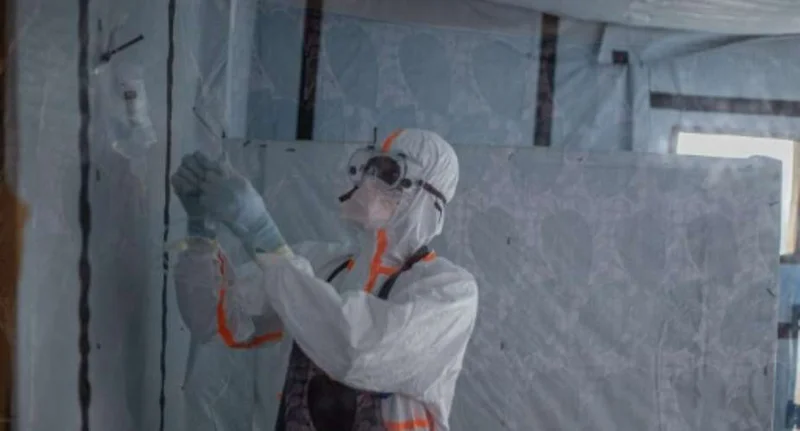
The Democratic Republic of Congo (DRC) is struggling to contain an escalating Ebola outbreak that has now become the largest in the nation's history. World Health Organization (WHO) Director-General Tedros Adhanom Ghebreyesus, following a visit to Kinshasa, warned that the virus is outpacing current containment efforts, particularly in the eastern province of Ituri. As of early October 2023, confirmed Ebola cases have reached 3,973 with at least 1,801 fatalities reported. The outbreak, caused by the Bundibugyo strain, is spreading at an alarming rate, prompting urgent calls for enhanced response strategies and improved community engagement to build trust in affected regions.
The response is being severely hampered by internal labor disputes and logistical failures. Dozens of frontline health workers in Bunia, the capital of Ituri province, have walked off the job to protest unpaid wages, leaving critical care gaps at the epicentre of the crisis. Simultaneously, Doctors Without Borders (MSF) has described the situation as "more critical than ever," noting a significant breakdown in contact tracing. In Bunia, approximately 90 percent of hospitalized patients were not previously identified as contacts, indicating that the virus is circulating undetected in many communities. These challenges are expected to intensify as the onset of the rainy season creates additional hurdles for humanitarian logistics and transport.
Fears of the virus reaching the capital, Kinshasa, reached a peak this week following a suspected Ebola death on a passenger vessel traveling from the northeastern Tshopo province. Congolese authorities intercepted the boat, the Yingfeng 2, on the Congo River near Bende Bende port, approximately 65 kilometers from the capital. A mobile laboratory was established aboard the vessel to screen all 255 passengers for both Ebola and cholera. While Health Minister Roger Kamba confirmed that no passengers have tested positive yet, the vessel remains under quarantine offshore as a precautionary measure to prevent a potential urban outbreak.
In response to the growing threat, the international community has ramped up financial and scientific support. The United States announced an additional $242 million in funding, bringing its total contribution to the Ebola response to over $512 million. On the medical front, new treatment centers are being established, and Canada has approved clinical trials for a potential vaccine specifically targeting the Bundibugyo strain. Moving forward, the WHO emphasizes that the success of these interventions depends heavily on securing the safety and cooperation of local communities and ensuring that frontline workers are adequately compensated and protected.
This story touches markets covered on Anansi Intelligence ↗.
More from health
Continue exploring similar stories


