••
WHO and NHIA Strengthen Regional Healthcare Delivery and Administrative Efficiency across Ghana
•2 min read•2 sources
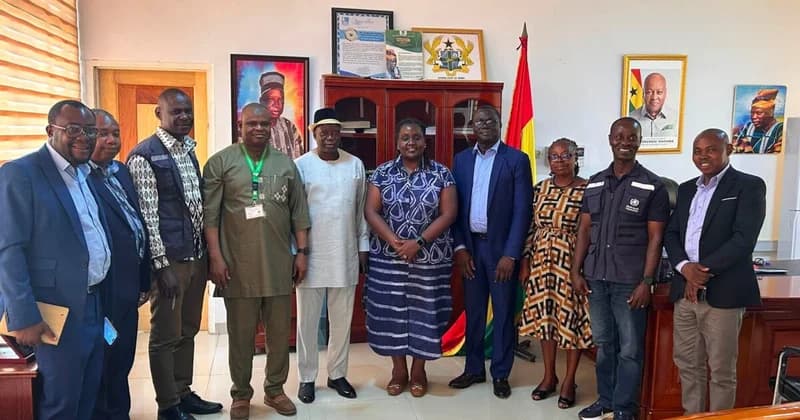
Ghanaian health authorities and international partners are intensifying efforts to strengthen regional healthcare delivery, with high-level engagements recently concluded in the Upper East and Bono regions. The World Health Organization (WHO) has pledged targeted support for border communities in the north, while the National Health Insurance Authority (NHIA) is exploring decentralized claims processing to improve service efficiency in the middle belt. These dual efforts represent a coordinated push to address both the clinical and administrative challenges facing the nation's health sector.
In the Upper East Region, WHO Representative to Ghana, Dr. Fiona Braka, met with Regional Minister Akamugri Donatus Atanga to discuss healthcare priorities for communities bordering Burkina Faso and Togo. Dr. Braka emphasized the necessity of enhanced disease surveillance and cross-border collaboration to safeguard public health. During the visit, she reaffirmed the WHO's commitment to supporting Ghana's Free Primary Health Care and universal coverage goals. Minister Atanga urged the organization to prioritize the region's specific vulnerabilities, calling for more healthcare personnel and additional training institutions to bolster local service delivery.
Simultaneously, the NHIA is seeking to deepen its regional footprint through strategic partnerships with traditional leaders. During a courtesy call on the Paramount Chief of Sunyani, Odeefour Ogyeamansan Boahen Korkor II, NHIA CEO Dr. Victor Asare Bampoe received commendation for timely claims payments and recent staff promotions. To further streamline operations, the Sunyani Traditional Council has offered land for the establishment of a regional Claims Processing Centre. This proposed facility aims to decentralize the NHIA's administrative functions, ensuring that local healthcare providers are reimbursed more swiftly to maintain the integrity of the National Health Insurance Scheme.
These developments reflect a broader national strategy to achieve universal health coverage by addressing geographic vulnerabilities and administrative bottlenecks. Whether through the WHO’s focus on international border health security or the NHIA’s move toward decentralization, the emphasis remains on making healthcare more accessible and resilient. Moving forward, the success of these initiatives will depend on sustained collaboration between international organizations, state agencies, and local traditional authorities to ensure that no community is left behind in Ghana's health sector transformation.


