••
WHO Sounds Alarm Over Rapidly Spreading Ebola Outbreak in DR Congo as Infant Deaths Mount
•2 min read•2 sources
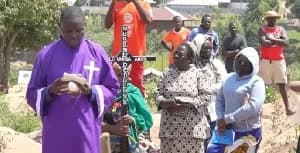
The World Health Organization (WHO) has issued a dire warning regarding the "fast-evolving" Ebola outbreak in the northeastern Democratic Republic of Congo (DRC), which continues to claim lives at an alarming rate. Since the outbreak was officially declared on May 15, the situation has grown increasingly volatile, with health officials reporting 896 confirmed cases and 232 deaths to date. Highlighting the human toll of the crisis, Red Cross workers recently buried a six-month-old girl in Bunia, the provincial capital of Ituri. This tragic loss marks the third child to die from the virus at a single orphanage in the region, underscoring the severe impact of the epidemic on the most vulnerable populations.
Central to the current health crisis is the prevalence of the rare Bundibugyo strain of Ebola. Unlike more common strains for which vaccines have been developed, the Bundibugyo variant currently lacks an effective vaccine, significantly complicating containment and prevention efforts. Approximately 90% of the cases are concentrated in the Ituri province, where the virus is spreading at a rapid pace; health authorities recorded 21 new cases within a single 24-hour window. The lack of a preventative vaccine means that the primary defense remains focused on rigorous contact tracing, isolation, and clinical management of those already infected.
In response to the escalating numbers, international and local health agencies have moved to establish more than 500 treatment beds and enhanced surveillance measures across the affected zones. A Chinese medical team has arrived in the DRC to bolster the response, providing much-needed technical and clinical support to local staff. However, health officials face significant cultural and logistical hurdles, most notably the tendency of affected individuals to seek treatment from traditional healers before visiting specialized healthcare facilities. These delays in seeking professional medical care often result in higher mortality rates and increased community transmission during the early stages of the disease.
The regional implications of the outbreak are becoming increasingly concerning as cases have been reported in neighboring Uganda, raising fears of wider cross-border transmission in East Africa. The WHO emphasizes that timely medical intervention is the most critical factor for survival and containment. As the DRC grapples with this evolving threat, the international community's continued support and resource mobilization remain vital to preventing the current outbreak from spiraling into a repeat of previous catastrophic epidemics in the region.
This story touches markets covered on Anansi Intelligence ↗.
More from health
Continue exploring similar stories


