••
WHO Declares Ebola Outbreak in DR Congo an International Emergency as $518 Million Response Plan is Launched
•3 min read•4 sources
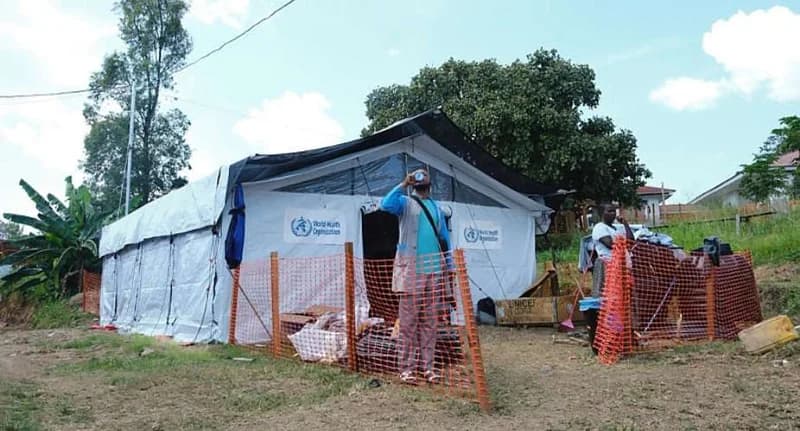
The World Health Organization (WHO) has officially declared the ongoing Ebola outbreak in the Democratic Republic of Congo (DRC) an international health emergency, launching a comprehensive $518 million response plan to contain the crisis. This outbreak, characterized as the fourth-largest on record, has seen confirmed cases rise to 515, with at least 91 deaths reported in the DRC alone. WHO Director-General Tedros Adhanom Ghebreyesus emphasized that the six-month initiative will prioritize aiding both the DRC and Uganda, while strengthening border screenings in neighboring countries to prevent further regional transmission. The situation is particularly critical as health workers are battling a rare strain of the virus for which there are currently no established treatments.
In neighboring Uganda, authorities have been praised by the WHO for their proactive management of the crisis. Despite recording 19 cases and two deaths—primarily among Congolese nationals—Uganda has implemented strict measures, including the cancellation of major public events like Martyrs Day, to curb the spread. However, the response across the region is significantly hampered by community mistrust and technical challenges in testing. Dr. Tedros has called for sustained political will and regional cooperation, urging nations to avoid imposing travel restrictions that could damage local economies and instead focus on coordinated health protocols.
The humanitarian situation is further complicated by intense insecurity in the eastern DRC, where ongoing conflict with the M23 rebel group has blocked access to vital healthcare services. European Union Commissioner for Crisis Management, Hadja Lahbib, has stressed that the escalating health crisis makes a ceasefire more necessary than ever. To support medical efforts on the ground, the EU has increased its total financial commitment to €20 million and recently coordinated an airlift of nearly 100 tonnes of medical supplies. These resources are being used to establish new treatment centers and diagnostic hubs to improve early detection and patient care in high-risk zones.
Moving forward, the international community's focus remains on stabilizing the region to allow health teams safe passage to affected communities. The additional funding from the EU and the WHO’s strategic plan aim to build long-term capacity through the establishment of diagnostic centers and expanded treatment facilities. As the 17th outbreak in the DRC’s history, this crisis underscores the persistent vulnerability of the region's health infrastructure to viral threats amidst socio-political instability. Success in containing the rare strain will depend heavily on the intersection of humanitarian aid, diplomatic pressure for peace, and the effective delivery of the $518 million global response strategy.
This story touches markets covered on Anansi Intelligence ↗.
More from health
Continue exploring similar stories


