••
WHO Launches Landmark Clinical Trial to Combat Bundibugyo Ebola Outbreak in DR Congo
•2 min read•7 sources
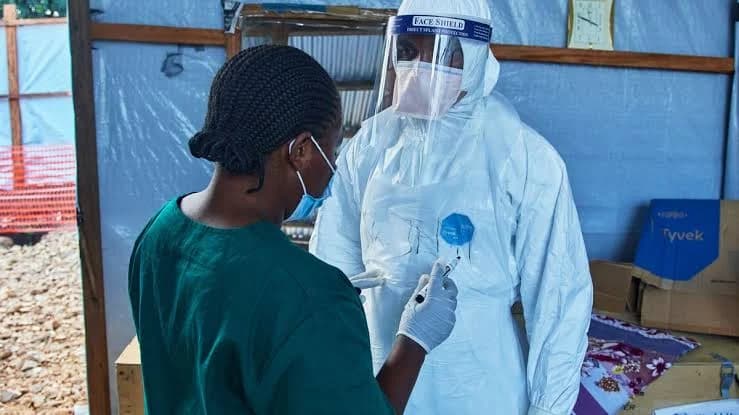
Health authorities in the Democratic Republic of Congo (DRC), in partnership with the World Health Organization (WHO), have officially launched a critical clinical trial to identify the first effective treatments for the Bundibugyo virus disease. The study marks a significant milestone in public health as the first patient has been enrolled in a trial specifically targeting this strain of Ebola, which currently lacks any approved vaccines or therapeutics. Since the outbreak was first recognized in May, the DRC has faced an escalating crisis with more than 1,400 confirmed cases and at least 438 deaths, necessitating an urgent medical response to stabilize the region.
The trial focuses on evaluating two primary candidates: the antiviral drug remdesivir and an experimental antibody treatment known as MBP134. This scientific endeavor is a collaborative effort involving the WHO, the DRC's Institut National de Recherche Biomédicale (INRB), the Institute of Tropical Medicine, and the University of Oxford. By administering these treatments alongside standard supportive care, researchers hope to determine whether these drugs can significantly improve survival rates. Currently, clinical operations are centralized at a single treatment center, though authorities expressed intentions to expand the study to additional sites as safety and security conditions allow.
Implementation of the trial faces formidable obstacles, primarily due to persistent regional conflicts and instability in the eastern DRC. These security concerns complicate healthcare delivery, containment efforts, and the ability of medical teams to reach affected populations safely. Beyond the immediate health threat, the outbreak is creating a burgeoning socioeconomic crisis. A United Nations assessment has warned that the situation could push nearly one million additional people into poverty, with women expected to bear a disproportionate burden of the economic fallout due to their roles in the community and local economy.
As the trial progresses, health experts emphasize that international support and increased investment in the DRC’s health infrastructure are crucial. The success of this study is seen as vital not only for providing hope to the affected communities but also for establishing a scientific framework to manage future outbreaks of the Bundibugyo virus. Continued global cooperation and a comprehensive approach—addressing both the medical requirements and the underlying socioeconomic vulnerabilities—remain essential to containing the virus and ensuring long-term regional stability.
This story touches markets covered on Anansi Intelligence ↗.
More from health
Continue exploring similar stories


