••
West African Security Agencies Boost Intelligence Sharing as Regional Tensions Rise in Mali and Ethiopia
•2 min read•7 sources
Government officials and security agencies across West Africa are intensifying efforts to combat transnational crime and manage porous borders, even as wider regional instability is marked by a major military massacre in Mali and flight suspensions in northern Ethiopia. In Accra, representatives from Ghana, Benin, C$$te d'Ivoire, and Togo have convened under the EU-funded SHIFT Project to strengthen intelligence sharing and operational cooperation. Central to these discussions is the practical implementation of the West African Police Information System (WAPIS), which is designed to facilitate data exchange among law enforcement to curb organized crime and promote regional stability.
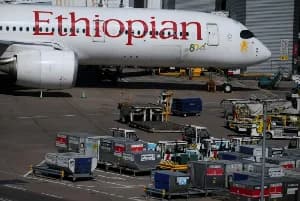
The urgency of such cooperation is underscored by the deteriorating security situation in other parts of the continent. In Mali, a jihadist assault claimed by the Al-Qaeda-linked Group for the Support of Islam and Muslims (JNIM) on a military camp in Dioura has left families in anguish, with reports of over 100 soldiers and five Russian paramilitaries killed or captured. Similarly, the persistence of conflict in East Africa has seen Ethiopian Airlines temporarily suspend all flight operations to Mekelle, Axum, and Shire in the northern Tigray region, citing the escalating security risks in the area.
Amid these security challenges, the Diaspora Affairs Office of the President (DAOOP) is working to better integrate Ghanaians living abroad into national development. During a recent engagement forum titled "Listening today, building tomorrow," officials addressed systemic barriers involving citizenship, property rights, and investment. However, this outreach efforts are being tested by a crisis in South Africa, where Ghanaian nationals have been issued ultimatums by local groups to vacate their shops by September 30. Despite the mounting xenophobic tensions, the Ghanaian Embassy has indicated that its previous repatriation program has ended, leaving many citizens in a precarious position.
Looking toward the future of international relations, Ghana is also seeking to influence global discourse through youth-led initiatives. John Aggrey, CEO of the Ghana-Russia Center for Commerce and Relations, recently launched the "Generation Diplomacy" book series at HSE University in Moscow, highlighting how innovation and technology are reshaping public advocacy. These diverse developments collectively highlight a complex period for West African leadership, as they must balance immediate security requirements with the long-term diplomatic necessity of protecting and engaging their citizens globally.


