••
World Economic Forum 2026 Report Warns of Fragile Progress Despite Record Gains in Global Gender Equality
•2 min read•7 sources
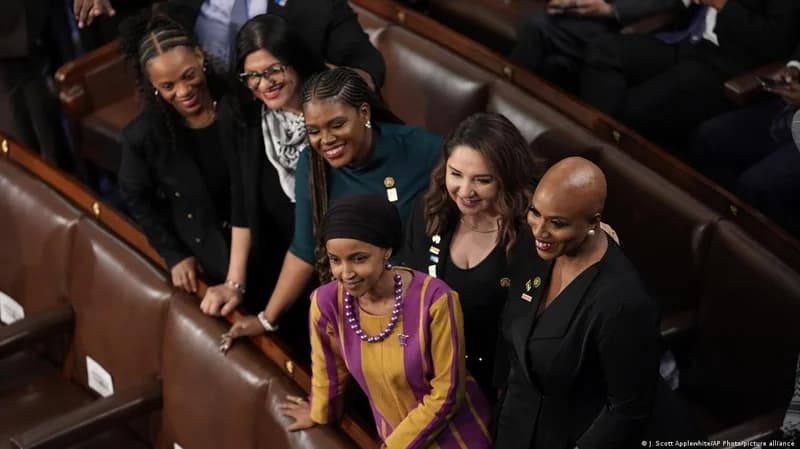
The World Economic Forum’s (WEF) 2026 Global Gender Gap Report has revealed that while global progress toward gender equality has reached its highest recorded level, the advancements remain strikingly fragile. Published on September 16, 2026, the comprehensive study highlights a dual reality: an unprecedented narrowing of the gender gap alongside a persistent vulnerability to reversal. This year’s assessment underscores that despite reaching new milestones, the journey toward total parity is far from over, with significant disparities continuing to hinder development across various sectors and nations.
The report evaluates gender disparities across 145 economies, focusing on four critical pillars: economic participation and opportunity, educational attainment, health and survival, and political empowerment. While universal benchmarks suggest improvement, the WEF notes that progress is deeply uneven across different regions. Gains seen in educational attainment and health often contrast sharply with the slower pace of change in professional and political spheres. The findings suggest that global averages can be misleading, as they frequently mask local realities where progress has either stalled or faced significant headwinds.
Economic participation and political representation remain the most challenging areas to bridge. The 2026 data shows that women continue to face significant barriers in leadership roles and wage parity, while their presence in high-level political decision-making varies wildly between nations. These specific sectors are described as being at the highest risk of setbacks; the report warns that economic shifts and political instability can easily erode hard-won rights. This serves as a stark reminder that without institutionalized support and targeted policy interventions, the current record-high levels of equality could prove temporary.
As a crucial framework for monitoring gender parity over time, the WEF report urges governments, private sector employers, and international institutions to move beyond rhetoric and implement sustained, measurable actions. The emphasis is on creating resilient systems that can withstand global shocks without sacrificing gender equity. Closing the remaining gaps is framed not only as a matter of social justice but as a fundamental requirement for global economic stability and growth, necessitating a renewed and consistent commitment to parity on a worldwide scale.