••
Extreme Heatwave Forces Closure of Washington D.C. State Fair as Record Temperatures Disrupt July Fourth Celebrations
•2 min read•5 sources
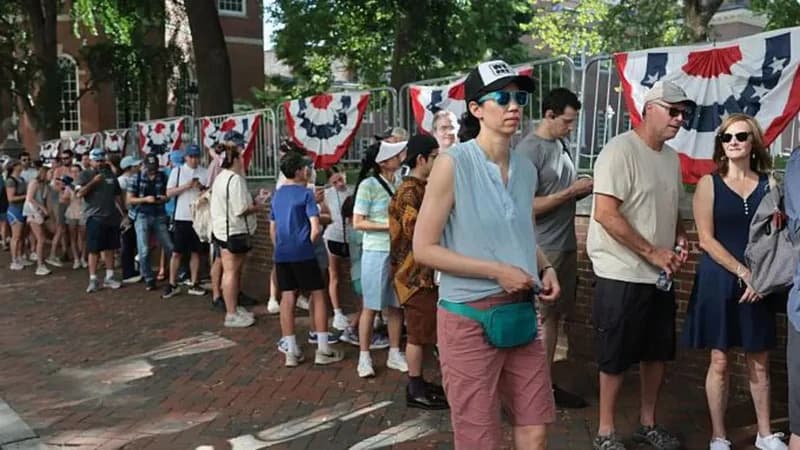
An unprecedented and dangerous heatwave has forced the temporary closure of the Great American State Fair on the National Mall in Washington, D.C., as millions of Americans begin Fourth of July celebrations. With record-breaking temperatures affecting over 165 million people across the U.S. East Coast and Midwest, event organizers from Freedom 250 suspended activities to ensure public safety. The heatwave, which has pushed thermometers up to 106°F (41°C) in some areas, is part of a broader pattern of extreme weather that has disrupted holiday traditions ranging from small-town parades to major metropolitan concerts.
The intensity of the heat has been historic in several major cities. Philadelphia recorded a blistering 103°F, while New York City faced its hottest day in over a decade. In Washington, D.C., the heat index reached levels high enough to prompt the National Weather Service to issue severe health warnings. While the State Fair organizers expressed hope to reopen later in the evening when conditions improved, many other outdoor events were simply canceled or postponed. These disruptions have hit a wide range of activities, including scheduled holiday parades and outdoor music performances, as authorities prioritize preventing heat-related illnesses.
The weather crisis is not limited to the United States; similar conditions are scorching parts of Canada, where over 51,000 customers were left without electricity following storm-related power outages linked to atmospheric instability. Beyond the heat, the region faces the threat of severe thunderstorms and heightened humidity, which meteorologists warn could complicate the holiday weekend further. The early arrival and sheer intensity of this heatwave mirror recent extreme weather patterns observed in Europe, signaling a broader global trend of volatile summer temperatures and extreme atmospheric conditions.
Experts and public health officials have linked the increasing frequency and severity of such heatwaves to climate change, emphasizing that these extreme events are no longer anomalies but part of an escalating trend. As the heat is projected to persist through the weekend and into the following week, authorities are urging the public to stay hydrated, seek shade, and monitor vulnerable individuals. The disruption of the Great American State Fair serves as a stark reminder of the growing impact of environmental factors on national traditions and the necessity of adaptive planning for public events.