••
WAEC Rejects Private School Bias Allegations in 2026 BECE Grading Amidst Calls for Independent Oversight
•2 min read•5 sources
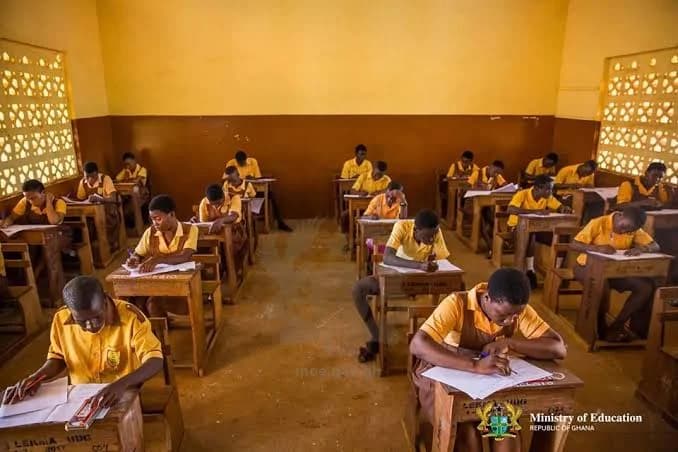
The West African Examinations Council (WAEC) has formally refuted allegations of bias and discrimination in the marking and grading of the 2026 Basic Education Certificate Examination (BECE). Following concerns raised by the Ghana National Council of Private Schools (GNACOPS) and the Ghana National Association of Private Schools (GNAPS), WAEC's Head of Public Affairs, John Kapi, clarified that all candidates are assessed as a single, unified cohort. He emphasized that the council employs rigorous quality assurance measures and internationally accepted principles to ensure that every script is marked objectively, regardless of whether a student attended a public or private institution.
The controversy centers on the Stanine Grading System, which GNACOPS Executive Director Obenfo Nana Kwasi Gyetuah has criticized for being non-transparent and for potentially disadvantaging private school students. GNACOPS has petitioned the Ministry of Education for an independent review, citing significant disparities between students' continuous assessment scores and their final BECE results. Private school representatives argue that the current methodology may predetermine grade distributions in a way that does not accurately reflect individual student mastery. In response, WAEC has invited any dissatisfied candidates to seek redress through official channels, noting that students have a three-month window to request a formal remarking of their scripts.
Adding to the debate, education think tanks and advocates, including Africa Education Watch (Eduwatch), have called for the establishment of an independent regulator to oversee examination bodies. This proposal aims to ensure a more transparent appeals process and to provide a check on WAEC's near-monopoly on national assessments. Educational experts have also pointed to a deeper systemic issue in Ghana, arguing for a shift from norm-referenced assessments—which rank students against their peers—to criterion-referenced systems that measure students against defined competency standards. They contend that the current focus on relative ranking often overshadows actual learning achievement.
As the Ministry of Education reviews the petitions from private school associations, the situation underscores a growing demand for accountability in the national examination process. While WAEC maintains that its processes are guided by integrity and impartiality, the recurring friction between the council and private educators highlights the need for a broader national conversation on assessment reform. Stakeholders suggest that involving educational psychologists and independent auditors could help bridge the gap between certification and selection, ensuring that the grading system fosters student development rather than mere competition.

