••
Vietnamese Authorities Rescue 400 Stolen Cats and Arrest Nine in Feline Theft Ring Crackdown
•2 min read•2 sources
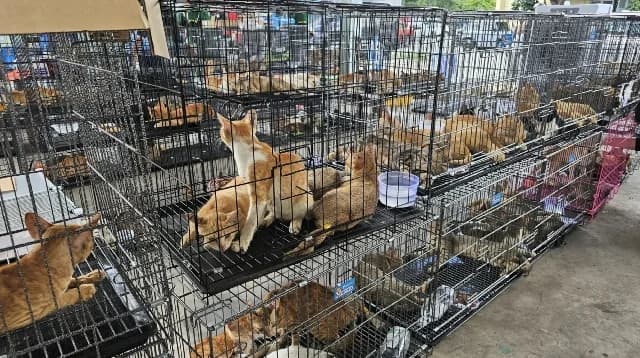
Police in Vietnam have successfully dismantled a major feline theft ring, rescuing more than 400 live cats intended for slaughter. The coordinated operation, which took place across Tay Ninh Province and Ho Chi Minh City, led to the arrest of nine individuals suspected of operating a criminal network that trapped and sold stolen pets for meat. During the raids, authorities also discovered 80 dead cats, highlighting the grim reality of an illegal trade that has sparked significant public outcry and renewed calls for stricter animal welfare protections in the country.
The investigation was launched following a sharp rise in reports of pet thefts within the region. According to the suspects, who have since admitted to their involvement, the syndicate had been actively trapping and stealing cats for approximately three years. These animals were typically taken from residential areas and sold to traders who supplied the commercial cat meat market. While the consumption of dog and cat meat remains legal in Vietnam, vendors are strictly required by law to possess valid permits proving the animals' origins. This criminal group bypassed these regulations through systematic theft, causing immense distress to pet owners and violating existing animal health and safety protocols.
Since the rescue, welfare groups including Humane World for Animals have been providing care for the survivors. Approximately 40 of the recovered cats have already been reunited with their original owners, though officials noted with regret that several animals succumbed to the poor conditions they were subjected to during their captivity. The scale of this operation reflects a broader national issue; estimates suggest that roughly one million cats and five million dogs are captured annually for the meat trade across Vietnam, often through illicit means that target domestic pets.
This high-profile rescue comes at a time of shifting public perception regarding animal rights in Southeast Asia. While the meat trade is rooted in some traditional practices, there is a visible and growing movement—particularly among the younger Vietnamese generation—to ban the consumption of cat and dog meat entirely. As police continue their investigation and encourage residents to report missing pets, the case has become a focal point for advocates pushing for legislative reforms that would provide greater protection for domestic animals and impose harsher penalties for those involved in pet theft.