••
Geopolitical Tensions Peak as US Rescues Pilot in Iran While Senegal Implements Austerity Measures Amid Global Conflict
•3 min read•11 sources
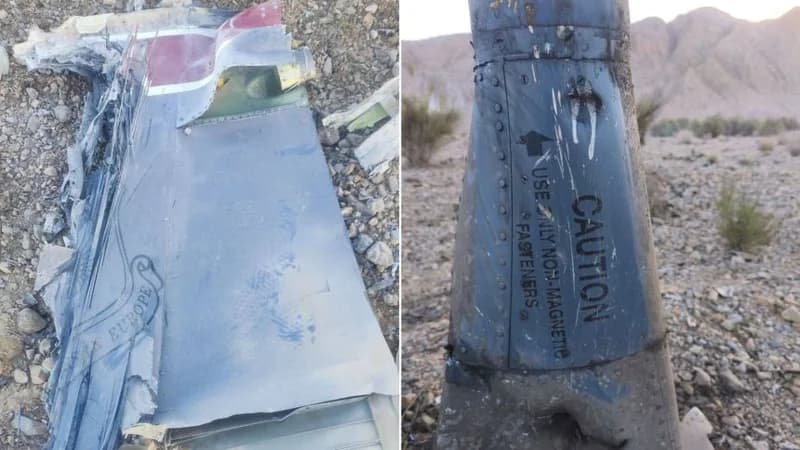
Recent escalations in the conflict involving Iran have reached a critical flashpoint, marked by a daring US military rescue of a downed pilot and severe economic ripple effects across Africa. President Donald Trump announced the successful retrieval of a high-ranking US Colonel whose F-15E Strike Eagle fighter jet was shot down over Iranian territory—the first instance of a manned US aircraft being downed in this ongoing confrontation. This military milestone coincides with a surge in global oil prices, forcing nations like Senegal to implement drastic austerity measures to protect their fragile economies from the soaring costs of fuel and energy.
The rescue operation, described by President Trump as one of the most daring in US military history, involved dozens of aircraft and unfolded under intense pressure from Iranian forces. While Iranian state media had previously offered rewards for the captured airman and documented attempts to attack search helicopters, US forces managed to secure the injured Colonel, who is now in stable condition. This follows the earlier rescue of another crew member shortly after the crash. The incident has intensified the narrative surrounding US engagement in the region, even as it highlights the increasing risks faced by military personnel operating in hostile Iranian airspace.
Beyond the battlefield, the economic consequences of the Iran conflict are hitting home in West Africa. Senegalese Prime Minister Ousmane Sonko has issued a ban on non-essential foreign travel for all government ministers, citing an oil price hike that has nearly doubled the nation’s budgeted energy costs. With Senegal’s public debt exceeding 130% of its GDP and a heavy reliance on fuel imports, the government is prioritizing fiscal survival. This trend of resource rationing and tax reductions is being mirrored across the continent, from South Africa to South Sudan, as the Persian Gulf instability threatens not only energy supplies but also global fertilizer exports and food security in East Africa.
Amidst these military and economic shifts, the moral weight of the crisis was addressed by Pope Leo XIV during his inaugural Easter Mass at St. Peter’s Square. Speaking to thousands of worshippers, the Pope delivered a poignant plea for global leaders to choose peace over the —indifference to suffering— and the —desire for domination— that fuel modern warfare. Explicitly referencing the violence in Iran and other global flashpoints, the Pope called for a nonviolent approach to international disputes and announced a global prayer vigil for peace. These combined developments underscore a world at a crossroads, where military action, economic necessity, and humanitarian pleas are increasingly intertwined.
This story touches markets covered on Anansi Intelligence ↗.
More from politics
Continue exploring similar stories


