••
Global Geopolitics and Ghana’s Diplomatic Resilience: Navigating Middle East Tensions, Reparations Debates, and International Leadership
•3 min read•32 sources
The international political landscape is currently defined by escalating Middle East tensions and significant diplomatic shifts, with Ghana maintaining a pivotal role in global peacekeeping and human rights advocacy. Israeli-Ghanaian relations have remained a focal point of recent diplomatic activity, characterized by both cooperation and friction. Israeli Ambassador to Ghana, Roey Gilad, recently issued a formal apology for an Israel Defence Forces (IDF) bombing that injured three Ghanaian UN peacekeepers in Lebanon, attributing the incident to a tragic mistake while noting that Hezbollah militants often use UNIFIL positions for cover. Despite this military incident, Ambassador Gilad affirmed that the longstanding ties between the two nations remain robust, even as they navigate disagreements over the language of a UN reparations resolution. Israel, alongside the US and UK, opposed describing the transatlantic slave trade as the 'gravest' crime against humanity, suggesting instead it be called 'one of the gravest' to avoid creating a hierarchy of historical atrocities like the Holocaust.
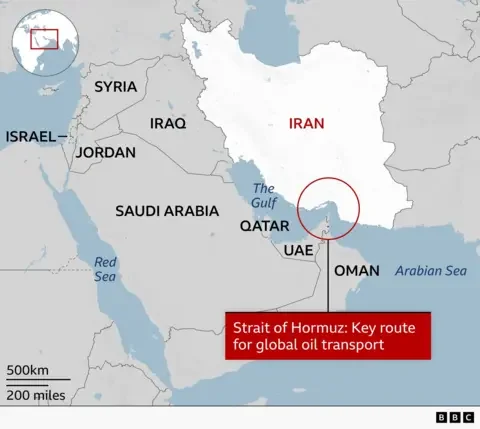
Simultaneously, the broader conflict involving Iran has triggered a series of global economic and logistical disruptions. Following failed negotiations, a US-led naval blockade of Iranian ports has been initiated to cut off oil revenue, a move that the UK government under Sir Keir Starmer has declined to join, citing the necessity of maintaining freedom of navigation in the Strait of Hormuz. The geopolitical friction has extended into the sporting world, where FIFA refused an Iranian request to relocate its World Cup matches from the United States to Mexico despite ongoing military hostilities. The humanitarian crisis in the region continues to deepen, with Lebanon’s health ministry reporting over 2,000 deaths since March 2024 as Israeli strikes and Hezbollah rocket attacks intensify ahead of scheduled diplomatic talks in Washington.
Beyond the Middle East, the influence of former US President Donald Trump continues to reshape international agreements and religious discourse. The UK government recently shelved a deal to transfer the Chagos Islands to Mauritius, largely due to opposition from Trump and concerns over the strategic Diego Garcia military base. In the religious sphere, Trump faced significant backlash from Catholics and political allies like Italian PM Giorgia Meloni after criticizing Pope Leo XIV as 'weak on crime.' This criticism comes as Pope Leo embarks on a landmark 10-day tour of Africa, covering 11 cities to spotlight the continent's social and political needs. Domestically in the US, legal challenges involving the former president persist, though a judge recently dismissed a $10 billion defamation suit he filed against the Wall Street Journal regarding reported ties to Jeffrey Epstein.
Amidst these global upheavals, African leadership and social development remain proactive. The United Nations recently appointed Ghana’s Anita Kiki Gbeho as the Special Representative for South Sudan, underscoring Ghana's expertise in conflict-affected regions. In South Africa, the Democratic Alliance (DA) has elected Geordin Hill-Lewis as its new leader to challenge the African National Congress (ANC) in upcoming elections. Locally, Ghana continues to focus on internal growth and empowerment, with First Lady Lordina Mahama recently urging young women to prioritize personal development and integrity. As regional security remains a concern, particularly following investigations into a Nigerian Air Force airstrike that killed dozens of civilians, Ghana’s dual focus on international diplomacy and domestic stability positions it as a resilient actor in a volatile world.
This story touches markets covered on Anansi Intelligence ↗.
More from politics
Continue exploring similar stories


