••
New Long-Necked Dinosaur Species, Uragasaurus Kalasinensis, Discovered in Thailand
•2 min read•1 source
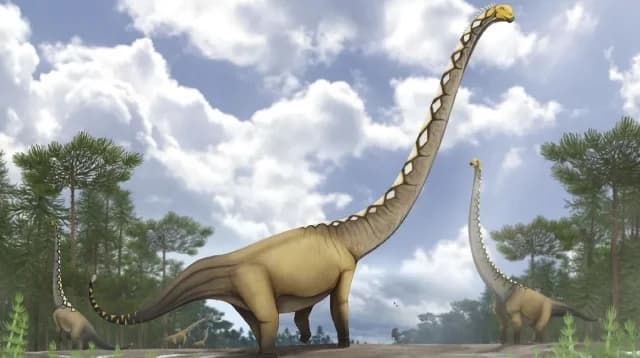
Paleontologists have unveiled a remarkable scientific discovery in Thailand with the identification of a new dinosaur species, Uragasaurus kalasinensis. The fossils, unearthed in the Phu Noi site of Kalasin Province, date back approximately 150 million years to the Late Jurassic period. This herbivorous giant is characterized by its extraordinary proportions, most notably a neck that stretched to lengths comparable to a professional cricket pitch. The discovery, documented in a study led by Dr. Apirat Nilphanaphan and published in the prestigious journal Nature, marks a significant milestone in Southeast Asian paleontology.
Standing as a testament to the prehistoric diversity of the region, Uragasaurus kalasinensis reached an estimated total length of 20 meters. Scientific analysis of a key specimen—a well-preserved dorsal vertebra—has allowed researchers to classify the species within the Mamenchisauridae family. This group of dinosaurs is renowned globally for possessing some of the longest necks in natural history. What sets the Uragasaurus apart are unique bone structures that distinguish it from other previously identified species, suggesting a distinct evolutionary path for sauropods in the region.
The Phu Noi site has long been a treasure trove for fossil hunters, having previously yielded a variety of prehistoric remains, including other long-necked herbivores like the recently discovered Nagatitan. However, the identification of Uragasaurus kalasinensis represents the first of its specific kind found within Thailand's borders. This discovery not only enriches the global understanding of the Mamenchisauridae distribution but also highlights Thailand's growing importance as a hub for paleontological research. As scientists continue to excavate the Kalasin Province, the find promises to offer deeper insights into the complex ecosystems that flourished in Southeast Asia millions of years ago.