••
Upper West Region Health Screening Identifies 251 Food Handlers with Medical Conditions Unfit for Service
•2 min read•1 source
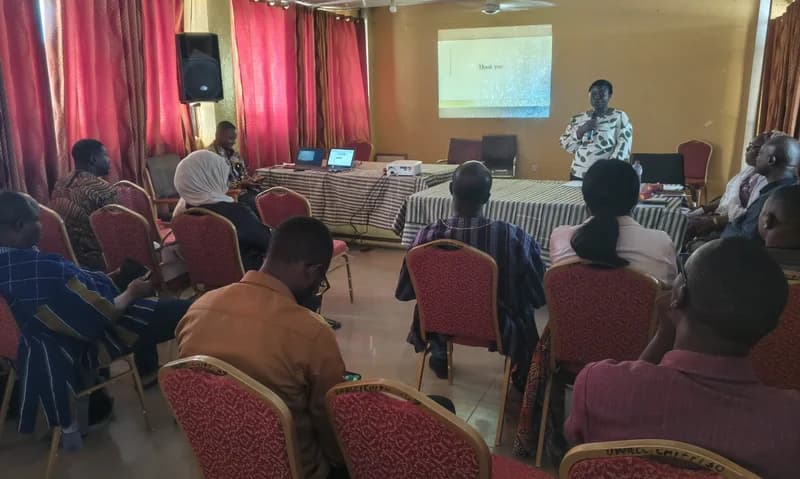
Recent health screenings conducted in the Upper West Region have raised significant public health concerns after 251 food handlers were diagnosed with various medical conditions that render them unfit to handle food for the public. According to reports from the regional Environmental Health and Sanitation Department, these findings emerged from a comprehensive screening exercise involving 1,746 food handlers between 2025 and early 2026. The discovery underscores the critical importance of regular health monitoring within the food service industry to prevent the potential spread of communicable diseases and ensure the safety of consumers across the region.
In response to these findings, the affected individuals have been officially referred for medical treatment to address their specific health conditions. The department has intensified its food safety checks, noting a year-on-year increase in the number of inspections conducted at food vending sites and establishments. These rigorous checks are part of a broader strategy to maintain high hygiene standards, although authorities have acknowledged significant challenges in effectively preventing diagnosed individuals from continuing to handle food while they are undergoing treatment or waiting for clearance.
Beyond the immediate scope of food handler screenings, the region is also making strides in broader sanitation efforts. The Environmental Health and Sanitation Department highlighted notable improvements in the Open Defecation Free (ODF) campaign, which aims to eliminate unsanitary practices that contribute to the spread of disease. Furthermore, new plans have been announced to introduce sanitation league tables in schools. This initiative is designed to enhance performance metrics and foster a culture of hygiene among students and educational institutions, which will serve as a foundational pillar for regional public health improvements.
The ongoing health interventions reflect a proactive stance by regional authorities to mitigate risks associated with foodborne illnesses and poor sanitation. By combining regular screenings with educational initiatives and community-wide sanitation programs, the Upper West Region seeks to create a safer environment for both vendors and the general public. Moving forward, the department intends to strengthen its enforcement mechanisms to ensure that those diagnosed with health issues strictly adhere to the directive to step away from food handling until they are fully recovered, thereby safeguarding the health of the entire population.
This story touches markets covered on Anansi Intelligence ↗.
More from health
Continue exploring similar stories


