••
University of Ghana and UMaT Drive Digital Revolution with Compulsory AI Training and New Smart Tech Centre
•3 min read•5 sources
Ghana’s higher education landscape is undergoing a significant digital transformation as leading institutions integrate artificial intelligence (AI) and advanced technology into their core operations. The University of Ghana (UG) has announced the centralization of AI and digital skills training within its academic framework to ensure students are prepared for a tech-driven global economy. This initiative was underscored by the Ministry of Communication, Digital Technology and Innovations, led by Minister Samuel Nartey George, which donated 2,000 laptops to the university to support the government’s One Million Coders Programme. The move signals a shift toward making digital literacy a non-negotiable component of tertiary education in the country.
At the University of Ghana, Vice-Chancellor Professor Nana Aba Appiah Amfo revealed that starting next semester, four specific certifications—including AI Essentials, Prompting Essentials, and Digital Literacy—will be integrated into mandatory Level 100 courses. This curriculum reform aims to enhance graduate employability by ensuring students can responsibly and effectively utilize AI tools. Professor Amfo emphasized that AI is no longer optional but a fundamental requirement for modern teaching and professional success. Minister Samuel Nartey George echoed these sentiments, urging other universities to replicate UG’s model and stressing that AI competence is now as vital as traditional academic qualifications.
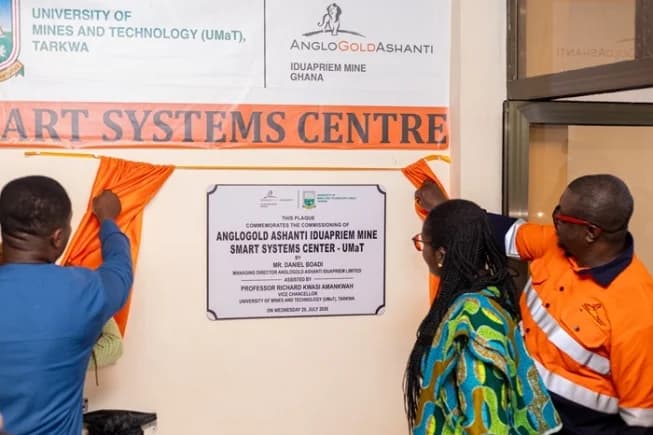
In a parallel development for the technical sector, the University of Mines and Technology (UMaT) in Tarkwa has commissioned a US$750,000 Smart Systems Centre, funded by the AngloGold Ashanti Iduapriem Mine. This solar-powered facility is designed to enhance research and practical training in mining technology, specifically focusing on robotics, AI, and the local processing of mining data. Pro-Vice-Chancellor Professor Grace Ofori-Sarpong Akuffo highlighted the center's specialized equipment and its potential to save significant costs on industrial installation. The facility is expected to improve safety in mining operations while complementing broader government initiatives to develop a highly skilled, tech-savvy workforce.
Supporting this nationwide technological pivot, education experts are advocating for a balanced approach to AI in earlier stages of learning. Speaking at Odorgonno Senior High School’s 86th Anniversary, Professor Nii Tetteh Addy urged education authorities to guide the use of AI rather than banning it. He argued that AI is already integral to the modern workplace and that schools must update traditional teaching methods to foster critical thinking, creativity, and ethical responsibility. This collective push from academia, industry, and the government reflects a unified strategy to position Ghana as a digital leader, ensuring that students from secondary to tertiary levels are equipped with the tools and character necessary for the future.
This story touches markets covered on Anansi Intelligence ↗.
More from education
Continue exploring similar stories


