••
UniMAC and KNUST Drive Cultural Identity and Innovation in Ghana’s Creative Industries
•2 min read•2 sources
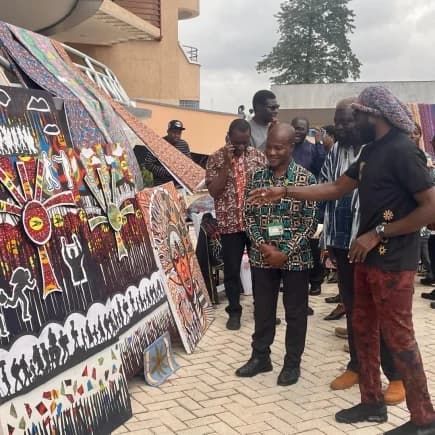
Ghana’s leading academic institutions in the creative arts are intensifying efforts to bridge the gap between classroom theory and industry excellence, focusing on cultural authenticity and professional readiness. At the University of Media, Arts and Communication (UniMAC), film experts are calling for a departure from Western imitations, while the Kwame Nkrumah University of Science and Technology (KNUST) prepares to showcase the next generation of fashion innovators. These developments highlight a growing movement within the educational sector to redefine Ghana’s global footprint in film and design.\n\nDuring a masterclass at the Regal Film Festival and Awards (REFFA), Mr. David Nii Ammah, a film lecturer at UniMAC-IFT, challenged filmmakers to cultivate a distinct Ghanaian storytelling voice. Ammah criticized the tendency to mimic Hollywood styles, urging creators to adopt "hybridization" in their narratives to better reflect local societal contexts. He emphasized that true success in the industry requires a deep understanding of market strategies and cultural specifics. By being bold and strategic, Ammah argued, Ghanaian filmmakers can unapologetically share their unique perspectives with the world.\n\nSimultaneously, the Textile and Fashion section of the Department of Industrial Art at KNUST has announced its 2026 Graduate Exhibition and Fashion Show, scheduled for August 7 at the Great Hall in Kumasi. Under the theme "Becoming: From Excellence to Eminence," the event is designed to celebrate the transition of students into industry-ready professionals. The showcase will feature innovative, self-made textiles, reflecting the department's commitment to transformative education and creativity. KNUST's Vice Chancellor and faculty leaders have hailed the exhibition as a vital platform to honor Ghana’s rich heritage while pushing the boundaries of global design.\n\nTogether, these initiatives from UniMAC and KNUST underscore a strategic shift in Ghanaian higher education toward nurturing home-grown talent that values identity over imitation. By emphasizing cultural specifics and technical mastery, these institutions are preparing graduates to lead the creative economy. As these students transition from academic study to professional practice, their ability to blend traditional heritage with modern innovation will be crucial in defining the future of Ghana's cultural influence on the international stage.
This story touches markets covered on Anansi Intelligence ↗.
More from education
Continue exploring similar stories


