••
UNFPA and IJM Ghana Bolster Public Health Initiatives While Media Debate Targets Sexual Compatibility and Marital Health
•2 min read•6 sources
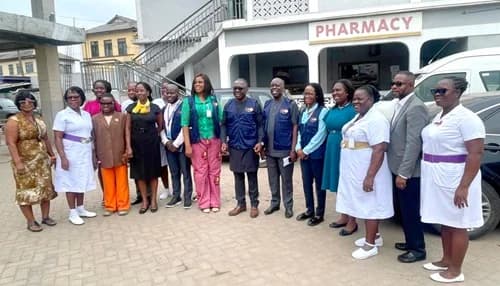
Ghana’s public health and social protection landscape is seeing a renewed focus on holistic care, ranging from adolescent empowerment to trauma-informed justice. Dr. Sennen Hounton, the UNFPA Regional Director for West and Central Africa, recently visited the Adolescent Health and Nutrition Centre at Ussher Hospital in James Town to assess the impact of integrated health and livelihood programs. The visit highlighted a critical community survey identifying gonorrhoea as a prevalent STI among those aged 15-19, prompting targeted interventions. Through partnerships like the 'Fashion Expressions' initiative, the UNFPA and Ussher Hospital are not only providing sexual and reproductive health services but also vocational training to vulnerable young women to foster long-term independence.
In a parallel effort to strengthen social welfare systems, the International Justice Mission (IJM) Ghana conducted a two-day training program for child protection and justice professionals. This initiative focused on trauma-informed care (TIC), a framework designed to help practitioners understand how trauma affects the behavior and decision-making of survivors. Key speakers, including IJM Ghana’s Aftercare Manager Vida Mamle-Selorm Hodinyah and Superintendent William Ayaeregah of the Ghana Police Service, emphasized the necessity of empathy and respect. By fostering survivor-centered services, the program aims to enhance the coordination between various sectors to ensure that children and survivors of abuse receive healing-oriented support.
While institutional frameworks are being strengthened, public discourse is also addressing the cultural and interpersonal dimensions of health. On Joy Prime’s 'The Brotherhood,' media personality MC Mr. Hanson sparked a significant debate by calling on religious leaders to reconsider traditional teachings against pre-marital sex. Hanson argued that the lack of sexual compatibility discussions prior to marriage often leads to domestic frustration and health-related conflicts. The panel discussed the vital importance of transparency regarding health statuses, particularly concerning HIV, to prevent marital disappointment and promote informed decision-making before couples commit to marriage.
The broader discussion on 'The Brotherhood' also tackled the persistent stigma surrounding HIV/AIDS. Panelists, including Kwaku Frimpong, stressed that an HIV diagnosis should not be automatically equated with infidelity, calling for more empathy toward those living with the virus—particularly women who often face harsher social judgment. The consensus across the various health and social initiatives is clear: whether through vocational empowerment for adolescents, trauma training for police, or open communication between partners, a more informed and empathetic approach is essential to improving Ghana’s public health outcomes and social cohesion.
This story touches markets covered on Anansi Intelligence ↗.
More from health
Continue exploring similar stories


