••
UNAIDS Warns of Record 25% Drop in Global HIV Funding as International Contributions Hit 18-Year Low
•2 min read•1 source
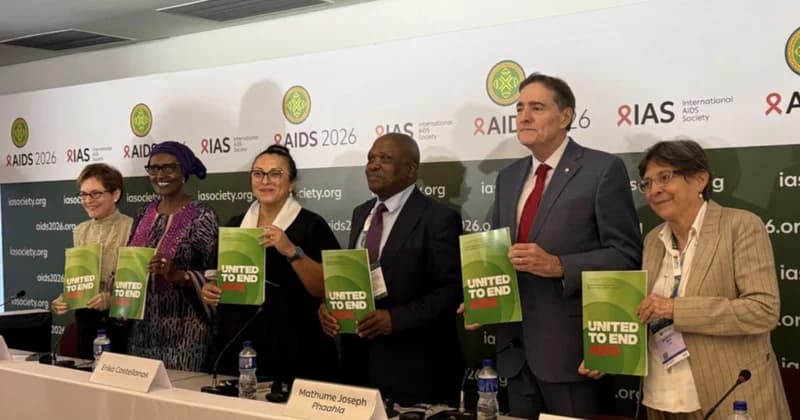
International donor funding for HIV programs in low- and middle-income countries has plummeted by $2.1 billion in 2025, marking the most significant single-year decline in the history of global HIV financing. This 25% reduction has brought total disbursements down to $6.2 billion, the lowest level recorded since 2007. These findings were detailed in the "United to End AIDS" report, jointly released by UNAIDS and KFF during the 26th International AIDS Conference in Rio de Janeiro, Brazil. The report highlights a burgeoning funding crisis that threatens to derail decades of hard-won progress in the global fight against the epidemic.
The sharp decline is primarily attributed to a substantial reduction in contributions from the United States, a traditional leader in global health financing. This withdrawal of support is already disrupting community-led HIV prevention, testing, treatment, and support services, especially in nations heavily dependent on external financial aid. Winnie Byanyima, the Executive Director of UNAIDS, characterized the situation as a critical crisis, noting that the shortfall is directly impacting the availability of life-saving treatments and the reach of essential prevention services for vulnerable populations across the globe.
Despite this financial setback, the global response to HIV has achieved notable milestones over the past decade. Since 2010, new HIV infections have fallen by 42%, and AIDS-related deaths have decreased by 57%. As of 2025, approximately 32 million individuals are receiving antiretroviral therapy. However, the scale of the epidemic remains daunting, with 1.2 million new infections and 570,000 deaths recorded this year alone. UNAIDS cautions that the ambitious global target to end AIDS as a public health threat by 2030 will remain out of reach unless there is immediate action and increased access to innovative prevention medicines.
The report concludes with an urgent call for governments to increase domestic investments in their national HIV programs to mitigate the impact of reduced international aid. Furthermore, it emphasizes the necessity of ensuring equitable access to new prevention technologies and urges world leaders to consider the severe social and health implications of these funding cuts. To sustain the gains made so far and protect millions of lives, the international community is pressured to renew its financial and political commitment to the 2030 goals.
This story touches markets covered on Anansi Intelligence ↗.
More from health
Continue exploring similar stories


