••
United Nations and Conflict Monitors Report Sharp Escalation in Casualties Across Haiti and Yemen
•2 min read•2 sources
The international community is facing a deepening humanitarian crisis as escalating violence in Haiti and Yemen results in thousands of casualties and severe human rights violations. Reports from the United Nations and conflict monitors highlight a deteriorating security situation in both regions, where civilian populations and regional stability are increasingly under threat. These developments underscore the immense challenges facing international peacekeeping and diplomatic efforts in regions currently gripped by protracted lawlessness and geopolitical maneuvering.
In Haiti, the United Nations has issued a stark warning regarding a gang-led crisis that has paralyzed much of the nation. UN Human Rights Chief Volker Turk reported that at least 5,700 individuals have been killed or wounded so far this year, though he cautioned that the actual figures are likely significantly higher due to underreporting. The violence has been characterized by extreme brutality, with more than 1,000 women and girls reporting incidents of sexual violence, including rape. Additionally, at least 230 kidnappings have been recorded as criminal gangs continue to exert control over critical infrastructure and residential neighborhoods.
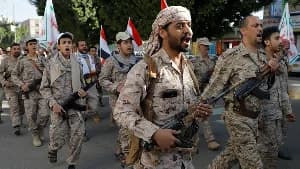
Simultaneously, a renewed surge in combat has been reported in Yemen, specifically in the city of Taiz. Intense fighting between Iran-backed Houthi rebels and Saudi-backed government forces has resulted in the deaths of at least 80 combatants in a single day. This latest offensive represents a significant escalation near a strategic waterway vital for global energy shipments. The clashes threaten to derail fragile peace efforts and further destabilize the internationally recognized government, which remains embattled in a conflict that has spanned nearly a decade.
These twin crises illustrate the devastating impact of unregulated armed groups and regional proxy wars on human lives. While Haiti struggles with domestic criminal anarchy and a collapse of state authority, Yemen remains a flashpoint for international power struggles. The high casualty rates and the targeted nature of the violence against civilians and essential trade routes highlight the urgent need for more robust international intervention. As the UN and humanitarian organizations call for immediate action, the global community remains under pressure to address the root causes of these conflicts before the humanitarian toll grows even more insurmountable.