••
UK Department for Education Reports Significant Cyber Breach; Oprah Winfrey Announces 2027 Closure of South African Leadership Academy
•2 min read•2 sources
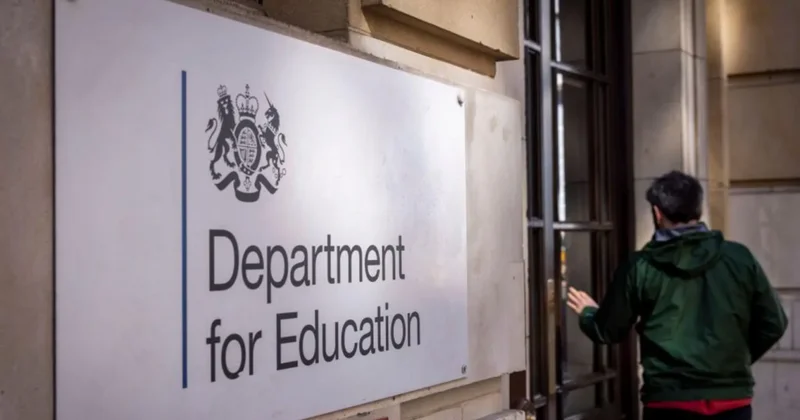
The international education landscape is facing significant changes this week, marked by a major security incident in the United Kingdom and a strategic transition for a high-profile institution in South Africa. In England, the Department for Education (DfE) has confirmed a cyber-attack that resulted in the unauthorized access of approximately 607,000 records. Meanwhile, media icon Oprah Winfrey has announced that her Leadership Academy for Girls, a cornerstone of underprivileged education near Johannesburg for nearly two decades, will officially close its doors at the end of the 2027 academic year as part of a planned handover to local authorities.
The UK data breach has prompted an immediate investigation involving the National Cyber Security Centre (NCSC) and the National Crime Agency (NCA). While the volume of records accessed is substantial, the DfE has assessed the data protection risk as low, noting that the compromised information is limited to telephone numbers and email addresses of individuals and organizations. Crucially, sensitive financial data such as bank details were not accessed. Key services disrupted by the attack, including the Turing Scheme portal and the DfE help desk, are expected to resume normal operations shortly as the department reinforces its security protocols and collaborates with the Information Commissioner's Office (ICO).
In South Africa, the scheduled closure of Oprah Winfrey’s Leadership Academy for Girls marks a transition for an institution that has graduated over 1,000 students since its inception. The decision aligns with the original agreement to eventually transition the campus to local education authorities. The foundation has assured the public that any students who have not graduated by the 2027 deadline will receive full scholarships to continue their education at other institutions. While the future use of the Johannesburg campus remains under discussion with Gauteng’s education department, Winfrey intends to pivot her philanthropic focus toward new scholarship programs across South Africa to sustain her legacy of empowering young women from underprivileged backgrounds.
These two events underscore the diverse pressures facing modern educational systems: the digital vulnerability of state infrastructure and the natural lifecycle of private philanthropic ventures. As the UK DfE works to secure its digital borders following the breach, the transition in South Africa highlights a strategic shift from direct institutional management to broader, scholarship-based support models. Both situations reflect a period of adaptation for global education stakeholders as they navigate the complexities of data security and sustainable community development.
This story touches markets covered on Anansi Intelligence ↗.
More from education
Continue exploring similar stories


