••
UHAS academic demands GFA and Sports Ministry transparency reforms
•2 min read•1 source
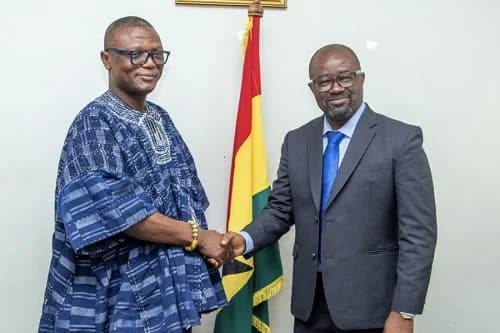
A lecturer in Sport Management and Marketing at the University of Health and Allied Sciences (UHAS) has called for comprehensive structural reforms within Ghana’s football governance framework. The academic highlighted critical gaps in accountability and transparency that have contributed to a perceived decline in the sport’s overall performance and management. This call for action follows concerns that recent high-level discussions between the Ministry of Youth and Sports and the Ghana Football Association (GFA) have been too narrow, focusing primarily on coaching appointments while neglecting systemic issues such as youth development and infrastructure.
One of the primary concerns raised is the lack of a coordinated strategy between key stakeholders. The exclusion of the National Sports Authority (NSA) from significant policy discussions has been identified as a major oversight that undermines financial transparency and administrative oversight. The academic argues that for Ghanaian football to thrive, there must be a clearer demarcation of roles and a more collaborative approach between the Ministry, the GFA, and the NSA to ensure that facility management and grassroots development are prioritized alongside the senior national teams.
To restore public trust and attract sustainable investment, the lecturer recommends that Ghana adopt governance models similar to those in successful footballing nations like South Africa, Germany, and England. A key component of this proposed reform is the implementation of independent audits and more robust fan engagement strategies. By diversifying sponsorship portfolios and ensuring that funds are managed with a high degree of accountability, the football industry in Ghana could transition from its current state toward significant commercial growth and international competitiveness.
The lecturer concluded that a unified strategy is the only path forward to ensure the long-term viability of the sport in the country. Without these structural changes, the disconnect between management and the actual development of the game will likely continue to alienate fans and deter corporate partners. The recommendations serve as a blueprint for the GFA and government bodies to professionalize the business of football in Ghana, moving beyond reactive fixes to proactive, institutionalized governance.
