••
UBIDS Secures Pre-Bar Law Accreditation as GTEC Blacklists 49 Unaccredited Learning Centres
•2 min read•3 sources
Ghana’s tertiary education landscape is currently navigating a period of rigorous quality reassessment, marked by the University of Business and Integrated Development Studies (UBIDS) achieving a major milestone in legal education while the Ghana Tertiary Education Commission (GTEC) flags nearly 50 institutions for accreditation failures. In a significant boost for legal training in Northern Ghana, UBIDS in Wa has officially secured accreditation from the General Legal Council to run a one-year Pre-Bar Professional Law Course under the Legal Education Act, 2026. This development places UBIDS among a select group of 18 institutions nationwide authorized to offer the program, following a successful graduation ceremony where 70 Bachelor of Laws (LLB) students and 298 postgraduate students, including eight PhD candidates, were honored for their academic achievements.
The success at UBIDS is underscored by the university's growing reputation for excellence, with Vice-Chancellor Prof. Emmanuel Kanchebe Derbile noting that 28 out of 42 of the institution’s first LLB graduates successfully passed the Ghana School of Law entrance examination. This achievement was lauded by Speaker of Parliament Alban Bagbin and University Chairman Dr. Benjamin Kunbuor, who highlighted the institution's role as a center of excellence despite existing infrastructural hurdles. However, this academic progress stands in stark contrast to a broader regulatory crackdown by GTEC. The commission recently issued a stern warning to prospective students and parents regarding 49 learning centres and institutions operating without valid accreditation or with expired credentials. This list includes 15 public university learning centres, some affiliated with prestigious institutions like the University of Ghana and the University of Education, Winneba, alongside 34 other private entities.
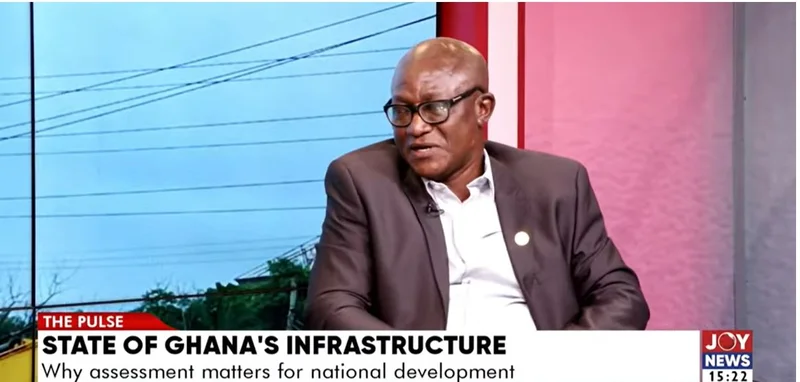
Beyond the classroom, the commitment to professional standards extends to the nation’s physical assets, as the Ghana Institution of Engineering (GhIE) prepares to launch a new Infrastructure Report Card on July 14, 2026. This independent evaluation will provide a comprehensive assessment of the state of Ghana’s roads, bridges, electric power, and telecommunications, updating the previous 2016 assessment. Ing. Dr. Charles Kwarteng Asafo-Adjei emphasized that the report is designed to identify critical gaps and foster resilience against climate change. By providing an objective performance review of infrastructure developed up to 2025, the GhIE aims to guide policymakers toward informed investments, ensuring that the professional environments in which new graduates operate are as robust and well-regulated as their academic qualifications.
This story touches markets covered on Anansi Intelligence ↗.
More from education
Continue exploring similar stories


