••
Former Twitter Lawyer Launches Twitter.now, Sparking Legal Battle Over Abandoned Branding with Elon Musk's X
•2 min read•1 source
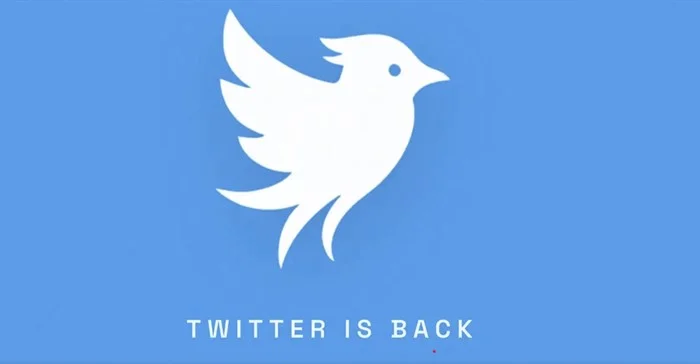
A new social media platform, Twitter.now, has emerged to reclaim the branding and identity once synonymous with the microblogging giant before its transformation into X. Launched by Stephen Coates, a former lawyer for the original Twitter, the platform aims to revive the name and blue bird aesthetic that Elon Musk discarded in 2023. Currently in its testing phase, Twitter.now represents a direct challenge to the current leadership of X, positioning itself as a spiritual successor that seeks to return to the brand's roots while introducing modern technological enhancements.
At the heart of the new platform is a commitment to innovating social media moderation through a proprietary system known as VERA AI. Unlike traditional moderation models that have faced criticism for being either too restrictive or too permissive, VERA AI is designed to give users unprecedented control over their digital environment. This system allows individuals to fine-tune the types of content they encounter, addressing long-standing concerns regarding online safety and information quality. The initiative, spearheaded by a group known as Operation Bluebird, suggests that the new platform is not merely a nostalgic project but a technical evolution of the social media experience.
The emergence of Twitter.now has sparked a high-stakes legal confrontation over the ownership of the "Twitter" trademark. Operation Bluebird argues that by rebranding to X and abandoning the previous name and logos, Elon Musk’s company has legally forfeited its rights to the trademark. In response, X has initiated legal proceedings alleging trademark infringement, asserting that the "Twitter" identity remains protected intellectual property. The legal battle centers on the concept of trademark abandonment, a rare but significant occurrence in corporate law where a company ceases use of a brand with no intent to resume.
As the dispute unfolds, the technology and legal sectors are closely watching for a judicial ruling that could redefine how digital brands are maintained. While a final decision has yet to be issued, the outcome will likely have far-reaching implications for trademark law in the digital age. For users, the launch of Twitter.now offers a potential alternative to the current state of X, promising a return to the familiar branding of the past integrated with sophisticated AI-driven moderation tools. The success of the platform will ultimately depend on its ability to navigate these legal hurdles and capture the interest of a public that has grown increasingly fragmented in its social media usage.